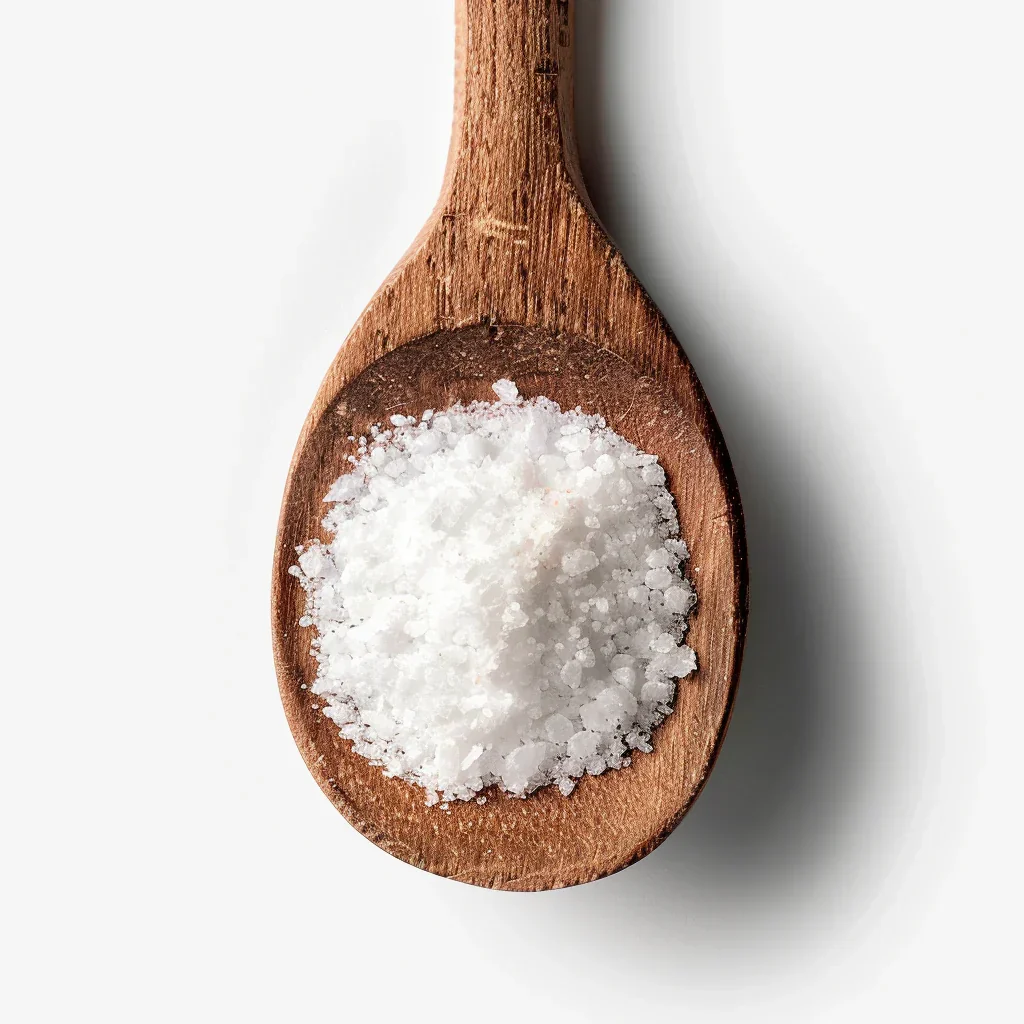
Taurine is one of the most abundant amino acids in the brain, yet it's been chronically undervalued in the nootropic community — overshadowed by flashier compounds with more dramatic acute effects. Recent research has fundamentally changed this picture. A landmark 2023 study published in Science — one of the world's most prestigious scientific journals — identified Taurine deficiency as a driver of biological ageing, with supplementation extending healthy lifespan in animal models. This finding elevated Taurine from a background player to a compound of genuine scientific significance for brain health and longevity.
Key Takeaways
How Taurine Supports Brain Function
Taurine is not a typical amino acid — it's not incorporated into proteins. Instead, it exists as a free amino acid in high concentrations throughout the brain, where it performs several distinct neuroprotective and neuromodulatory functions.
GABAergic modulation. Taurine acts as a partial agonist at GABA-A receptors — the same receptor class that anti-anxiety medications target (though through different binding sites and with much gentler effects). This GABAergic activity promotes calm, focused cognitive states without the sedation or dependency risks of pharmaceutical GABA modulators. For knowledge workers who need sustained focus without anxious activation, Taurine's calming neuromodulation complements the cholinergic and dopaminergic focus compounds in a comprehensive stack.
Antioxidant neuroprotection. The brain is particularly vulnerable to oxidative stress due to its high metabolic rate (consuming ~20% of body oxygen while comprising only 2% of body weight), high polyunsaturated fatty acid content in cell membranes (susceptible to lipid peroxidation), and relatively limited antioxidant defences compared to other organs. Taurine acts as a direct antioxidant, scavenging reactive oxygen species, and also supports the activity of endogenous antioxidant enzymes. This protective function becomes increasingly important with age as oxidative damage accumulates progressively.
Mitochondrial support. Taurine stabilises the mitochondrial membrane and supports electron transport chain efficiency — the core energy-producing machinery within brain cells. Since the brain's energy demands are enormous and sustained, even modest improvements in mitochondrial efficiency translate to measurable cognitive capacity. Research published in Amino Acids has demonstrated that Taurine supplementation improves mitochondrial function markers in various tissue types including neural tissue.
Calcium homeostasis. Excessive intracellular calcium in neurons triggers excitotoxicity — a process of neuronal damage and death that contributes to neurodegeneration. Taurine helps regulate calcium levels within neurons, preventing the excitotoxic cascades that contribute to age-related cognitive decline and neurodegenerative conditions. This protective mechanism operates continuously in the background — invisible but critical for long-term neural survival.
The 2023 Science Study — Why It Matters
The study by Singh et al., published in Science (Volume 380, Issue 6649), examined Taurine levels across multiple species and found that blood Taurine concentrations decline significantly with age in mice, monkeys, and humans. Taurine supplementation in mice extended median lifespan by 10-12%, improved bone density, muscle function, immune system performance, and — critically — brain function markers including memory and learning capacity.
While the study was primarily conducted in animal models (human longevity trials would require decades), the finding that Taurine deficiency is a consistent feature of biological ageing across species, combined with the broad-spectrum health improvements from supplementation, represents a significant shift in how the scientific community views Taurine's importance. The study's publication in Science — a journal with one of the most rigorous peer review processes in existence — lends exceptional credibility to the findings.
Taurine in Sharper Human
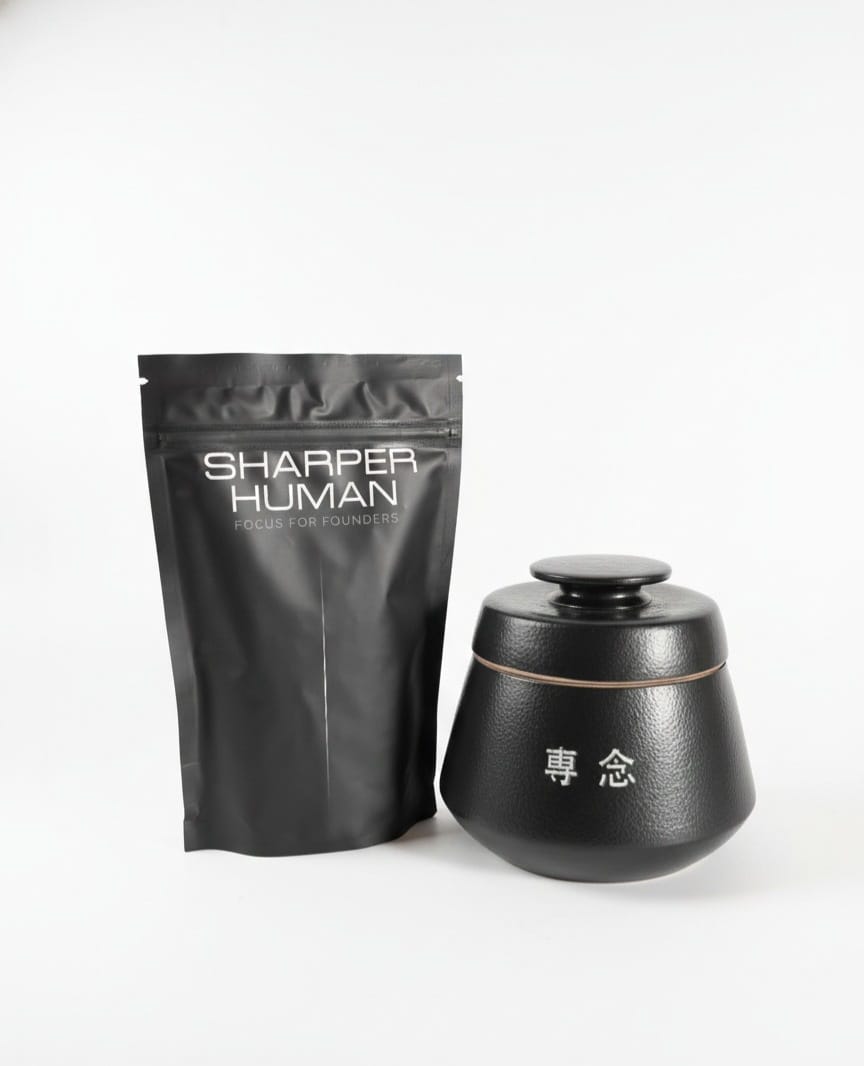
Focus for Founders.
An all-natural brain performance supplement. 20 research-backed ingredients. No caffeine. No stimulants.
Buy on Amazon UKSharper Human contains 500mg of L-Taurine per serving — at the established minimum effective dose within the clinical range of 500-2000mg daily. Within the broader formula, Taurine works synergistically with ALCAR (500mg) — both support mitochondrial function from complementary angles. ALCAR shuttles fatty acids into mitochondria for energy production; Taurine stabilises mitochondrial membranes and protects against oxidative damage to the energy-producing machinery. The complete B-vitamin complex provides the cofactors that both processes require at the enzymatic level. This multi-compound approach to brain energy and protection is more effective than any single compound alone.
The vegetarian/vegan consideration is particularly relevant. Since Taurine occurs naturally almost exclusively in animal products, anyone following a plant-based or plant-leaning diet may have suboptimal Taurine levels — making supplementation especially valuable. Sharper Human's algae-derived DHA and vegetarian-compatible formula means the entire product, including the Taurine, is suitable for vegetarians.
Taurine and Ageing: Practical Implications of the Science Study
The Singh et al. Science paper (2023) has practical implications that extend beyond the animal lifespan data. The study found that blood Taurine levels decline by approximately 80% between youth and old age in humans — a decline of a magnitude rarely seen with other metabolites. This suggests that Taurine deficiency is not a minor nutritional gap but a major age-related change with potentially broad physiological consequences.
The study authors explicitly stated that clinical trials in humans are needed to determine whether Taurine supplementation produces comparable anti-ageing effects in people. But the cross-species consistency of the finding (mice, monkeys, and humans all show the same age-related decline) and the broad-spectrum health improvements observed with supplementation in animal models (improved bone density, muscle function, immune performance, glucose homeostasis, AND brain function) create a compelling case for Taurine supplementation as a practical intervention — even before definitive human longevity trials are complete.
For brain health specifically, Taurine's neuroprotective mechanisms (antioxidant activity, mitochondrial membrane stabilisation, GABAergic modulation, calcium homeostasis regulation) operate through pathways that are well-established in human neuroscience regardless of the longevity question. The ageing study adds a longevity dimension to an already-strong neuroprotective profile — it doesn't depend on the longevity findings for its brain health justification.
References & further reading
- Peer-reviewed research on taurine benefits brain — PubMed, U.S. National Library of Medicine. View source ↗
- Suliman NA, Mat Taib CN, Mohd Moklas MA, et al. Establishing Natural Nootropics: Recent Molecular Enhancement Influenced by Natural Nootropic. Evidence-Based Complementary and Alternative Medicine. 2016. View source ↗