Nootropics — sometimes called smart drugs, cognitive enhancers, or brain supplements — are substances that support brain function. The term covers everything from your morning coffee to prescription medications, but in the supplement context it refers to natural compounds with evidence for improving memory, focus, processing speed, or other aspects of cognitive performance. The honest answer to "do they work?" is: some do, with strong clinical evidence; some probably do, with promising but incomplete evidence; and some almost certainly don't, despite confident marketing claims.
Key Takeaways
How Different Nootropic Categories Work
Understanding mechanism categories is essential for evaluating any nootropic product — because different ingredients work through fundamentally different biological pathways, and the evidence quality varies dramatically between categories.
Cholinergic Compounds — Strong Evidence
Citicoline (CDP-Choline) and Alpha GPC increase acetylcholine availability — the neurotransmitter most directly responsible for focused attention, memory encoding, and learning. Citicoline has extensive clinical trial support, with studies published in Food and Nutrition Sciences and the Journal of the International Society of Sports Nutrition demonstrating improvements in attention, processing speed, and working memory at 250-500mg daily. This is one of the best-evidenced nootropic mechanisms available.
Adaptogens — Strong Evidence for Select Compounds
Rhodiola Rosea and Bacopa Monnieri are the standouts. Rhodiola has clinical trials published in Phytomedicine demonstrating reduced mental fatigue and improved attention under stress. Bacopa has a meta-analysis in the Journal of Ethnopharmacology covering 9 RCTs showing consistent improvements in memory and processing speed — though requiring 8-12 weeks of daily use. Ashwagandha has strong evidence for anxiety reduction, with indirect cognitive benefits. Other adaptogens (Ginseng, Gotu Kola) have less robust evidence specifically for cognitive enhancement.
Neurotrophic Compounds — Moderate and Growing Evidence
Lion's Mane mushroom stimulates nerve growth factor (NGF) and BDNF production. The preclinical evidence is compelling — cell culture and animal studies consistently show neurite outgrowth and neuroprotection. Human clinical evidence is growing, with Tohoku University research demonstrating cognitive improvements in mild cognitive impairment. The evidence base is younger than Bacopa's but the mechanistic rationale is strong and unique — no other natural compound stimulates NGF as directly.
Phospholipids and Structural Compounds — Strong Evidence
Phosphatidylserine has an FDA-qualified health claim relating to cognitive function — one of very few supplements to achieve this regulatory recognition. DHA (an omega-3 fatty acid) is a structural component of brain cell membranes with extensive epidemiological and interventional evidence. B-vitamins have robust evidence for neurological function, with the NHS explicitly acknowledging that B12 deficiency causes cognitive symptoms.
Weak or Speculative — Honest Assessment
Cat's Claw, Oat Straw, and some herbal compounds included in budget nootropics have limited clinical evidence specifically for cognitive enhancement despite theoretical mechanisms. Products built primarily around these ingredients are less likely to produce noticeable cognitive benefits than those built around the well-evidenced categories above. This is why ingredient selection matters enormously — the difference between a research-backed formula and a speculative one is the quality of evidence behind each component.
How to Evaluate a Nootropic Product
Four criteria separate effective products from marketing:
Ingredient transparency. Every dosage disclosed, no proprietary blends. If a brand won't tell you how much of each ingredient you're getting, the most likely explanation is that the dosages wouldn't withstand informed scrutiny.
Clinical dosing. Each ingredient at an amount supported by published research. 50mg of an ingredient that requires 300mg for clinical effect is wasted money regardless of what else accompanies it.
Evidence quality. Ingredients backed by randomised controlled trials, not just theoretical mechanisms or animal studies. The gap between "this compound does X in a petri dish" and "this compound improves cognitive function in humans at this dosage" is enormous.
Manufacturing standards. GMP certification, third-party testing, identifiable manufacturing facility. The supplement industry has quality control challenges — manufacturing standards are the consumer's primary protection against contamination, mislabelling, and dosage inaccuracy.
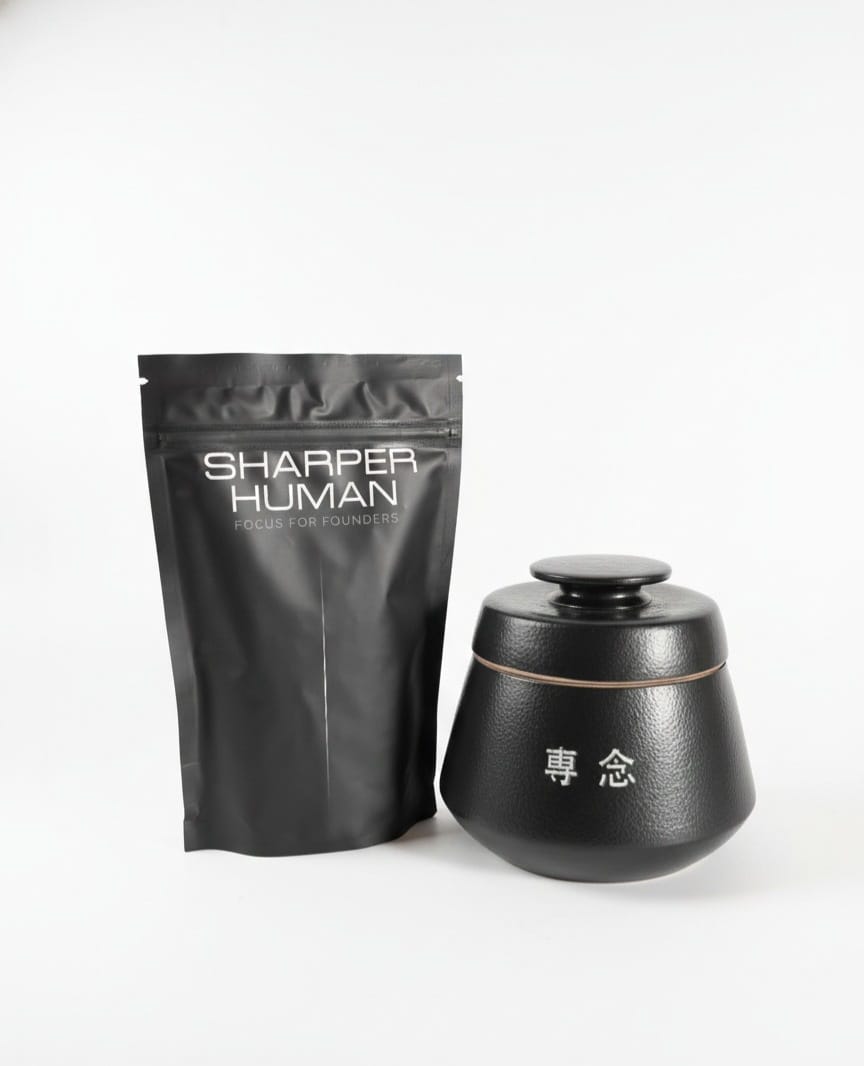
Focus for Founders.
An all-natural brain performance supplement. 20 research-backed ingredients. No caffeine. No stimulants.
Buy on Amazon UKSharper Human scores on all four criteria: 20 ingredients with every dosage disclosed, clinical dosing benchmarked against peer-reviewed research, ingredient selection prioritising compounds with RCT support, and GMP-certified EU manufacturing with third-party batch testing. It represents the research-backed end of the nootropic spectrum — where evidence, transparency, and quality intersect.
Setting Realistic Expectations
One of the most important things to understand about nootropics is what they realistically can and cannot do. Despite the "limitless pill" image popularised by films and aggressive marketing, no supplement delivers a dramatic, instant leap in intelligence or an overnight transformation. The genuine, well-evidenced nootropics offer support that is real but modest — better-sustained focus, support for memory, steadier mental energy — and that support builds with consistent use rather than appearing as a sudden surge. Memory-oriented ingredients like Bacopa and Lion's Mane, for example, develop their benefit over 8–12 weeks of daily use, while ingredients such as L-Tyrosine work by supporting systems under demand rather than producing an obvious "buzz".
Going in with this realistic expectation is the single best protection against both disappointment and hype. People who expect a subtle, supportive edge — and who layer a sensible supplement on top of good sleep, exercise and diet — tend to be satisfied, whereas those expecting magic are inevitably let down. It also helps to judge a nootropic on concrete markers over several weeks rather than chasing an immediate sensation: how focused you feel during demanding work, how your recall holds up, how steady your energy is through the afternoon. Sharper Human is built around this honest framing — a transparent, caffeine-free formula of well-evidenced ingredients at disclosed doses, designed to support cognition steadily as a complement to good habits, not to promise an unrealistic overnight change.
References & further reading
- Nakazaki E, Mah E, Sanoshy K, et al. Citicoline and Memory Function in Healthy Older Adults: A Randomized, Double-Blind, Placebo-Controlled Clinical Trial. The Journal of Nutrition. 2021. doi:10.1093/jn/nxab119. View source ↗
- Kongkeaw C, Dilokthornsakul P, Thanarangsarit P, et al. Meta-analysis of randomized controlled trials on cognitive effects of Bacopa monnieri extract. Journal of Ethnopharmacology. 2014;151(1):528–535. View source ↗
- Punja S, Shamseer L, Olson K, Vohra S. Rhodiola rosea for Mental and Physical Fatigue in Nursing Students: A Randomized Controlled Trial. PLoS One. 2014;9(9):e108416. View source ↗
- Peer-reviewed research on they work — PubMed, U.S. National Library of Medicine. View source ↗