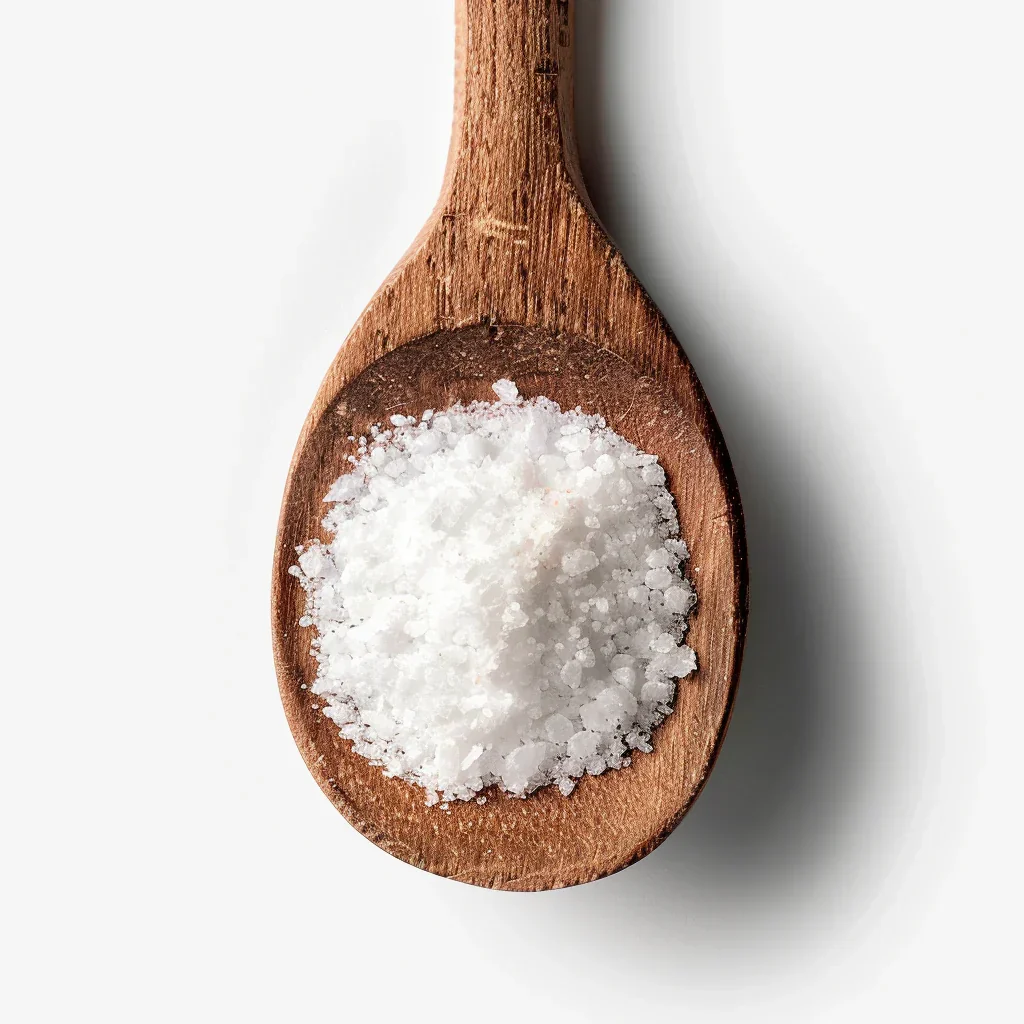
What is Taurine?
Taurine is a conditionally essential amino acid that plays a crucial role in various physiological processes — including neurological function, cardiovascular health, and antioxidant defence [1]. While often associated with energy drinks, taurine's potential cognitive benefits extend far beyond a quick boost.
Unlike most amino acids, taurine is not used to build proteins. Instead, it plays several crucial roles:
- Supports neurological development and function
- Acts as a neurotransmitter modulator
- Helps regulate cellular volume and osmolarity
- Functions as an antioxidant and anti-inflammatory agent
- Supports cardiovascular health
- Aids in bile salt formation and fat digestion [2]
In the brain, taurine is particularly abundant and plays a critical role in neuroprotection and neurotransmission [3].
The science behind Taurine.
- Neuroprotection — A review in Biomolecules found taurine helps prevent neurodegenerative diseases by reducing oxidative stress and mitochondrial dysfunction [4].
- Cognitive enhancement — A study in Advances in Experimental Medicine and Biology found taurine supplementation improved short-term memory [5].
- Stress reduction — A study in Behavioural Brain Research demonstrated taurine could reduce anxiety-like behaviour [6].
- Neurotransmitter regulation — Taurine modulates GABA, glycine, and glutamate — influencing mood, cognition, and sleep [7].
- Sleep quality — Some studies suggest taurine may improve sleep, increasing duration and reducing latency [8].
Benefits of Taurine.
- Neuroprotection — Protects brain cells from oxidative stress [9].
- Cognitive enhancement — Improvements in memory and reaction time [10].
- Stress reduction — Anxiolytic properties [11].
- Sleep quality — Indirectly supports cognitive function [12].
- Neurotransmitter regulation — Influences mood and cognition [13].
- Antioxidant effects — General cellular health benefits [14].
- Cardiovascular support — Indirectly supports brain health via improved blood flow [15].
Dosage and our approach.
Effective dosage varies. Studies use doses from 1000 mg to 6000 mg per day. A study in Amino Acids used 1000 mg daily and found improvements in reaction time and cognitive function [16].
For general cognitive support, a typical daily dose is 500–2000 mg of Taurine.
500 mg. Aligned to the "minimum viable dose" from peer-reviewed studies. Focus for decades, not minutes.
Pharmacokinetics: Taurine has a half-life of 1–2 hours, with effects lasting several hours [17]. The body maintains a pool of taurine in various tissues, including the brain [18].
Potential side effects.
- Gastrointestinal discomfort — Mild nausea or diarrhoea when starting [19].
- Headache — Rare [20].
- Drowsiness — Some users report sleepiness at high doses [21].
- Interactions with medications — May interact with lithium and blood-sugar medications [22].
- Blood pressure effects — May lower blood pressure.
In short.
Taurine is a versatile and powerful amino acid offering a unique combination of cognitive enhancement and neuroprotection. Its true power lies in long-term benefits.