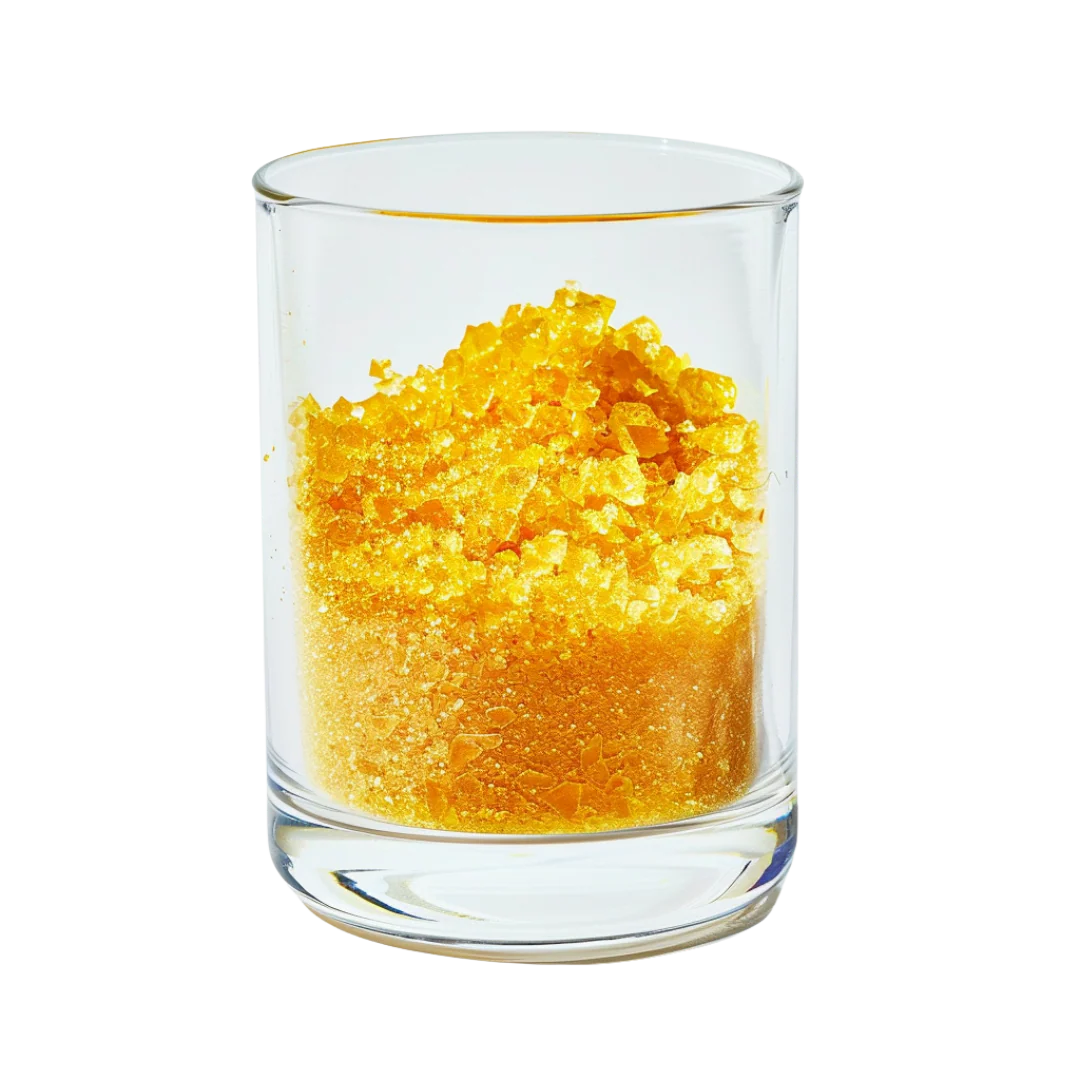
What is Vitamin B2 (Riboflavin)?
Vitamin B2, also known as riboflavin, is an essential water-soluble vitamin that plays a crucial role in energy metabolism and cellular function [1]. As a key component in the production of FMN and FAD — two important coenzymes — riboflavin is vital for cognitive performance and brain health [2].
Riboflavin is a B-complex vitamin that was discovered in the 1920s. It's an essential nutrient — our bodies cannot produce it [3].
Riboflavin plays several crucial roles:
- Acts as a precursor for FMN and FAD, essential for energy metabolism
- Supports the function of other B vitamins, particularly B3, B6, and folate
- Contributes to the metabolism of fats, proteins, and carbohydrates
- Plays a role in maintaining the myelin sheaths that protect nerves
- Functions as an antioxidant, protecting cells from oxidative stress
- Supports the body's detoxification processes [4]
The science behind B2.
- Energy metabolism — A study in the Journal of Nutrition found that riboflavin deficiency can impair energy metabolism, potentially affecting cognitive function [5].
- Neuroprotection — Research in the European Journal of Neurology suggested riboflavin might have protective effects against migraine, a neurological condition [6].
- Antioxidant support — A review in Nutrients highlighted riboflavin's importance in protecting against oxidative stress in the brain [7].
- Neurotransmitter synthesis — A study in the Journal of Psychiatry & Neuroscience found associations between B vitamin status (including B2) and cognitive function [8].
- Mitochondrial function — Research in Biochimica et Biophysica Acta suggested riboflavin supplementation could improve mitochondrial function [9].
Benefits of Vitamin B2.
- Cellular energy production — Crucial for ATP production [10].
- Antioxidant support — Part of the glutathione antioxidant system [11].
- Neuroprotection — May have protective effects, particularly in conditions like migraine [12].
- Mitochondrial health — Healthy mitochondria are essential for brain function [13].
- B vitamin synergy — Enhances the function of other B vitamins [14].
- Neurotransmitter support — Indirectly supports neurotransmitter synthesis [15].
- Overall brain health — Foundational nutrient for cognitive wellness [16].
Dosage and our approach.
The Recommended Dietary Allowance for riboflavin is 1.3 mg per day for adult men and 1.1 mg for adult women. Higher doses have been used in studies showing benefits — a study in the European Journal of Neurology used 400 mg daily and found benefits for migraine prevention [17].
For general health support, a typical daily dose can range from 5–100 mg of Vitamin B2.
10 mg — 714% NRV. In the active Riboflavin-5-Phosphate form. Focus for decades, not minutes.
Pharmacokinetics:
Potential side effects.
Riboflavin has an excellent safety profile. Be aware of:
- Urine discolouration — Riboflavin can cause urine to turn bright yellow — harmless and indicates the body is excreting excess [20].
- Gastrointestinal discomfort — Rare, at high doses [21].
- Skin reactions — Very rare cases of itching, burning, or sensitivity to light [22].
- Interactions with medications — Consult a healthcare professional [23].
Riboflavin is water-soluble — excess is excreted in urine, reducing toxicity risk.
In short.
Vitamin B2 (Riboflavin) is an essential nutrient that plays a crucial role in cellular energy production and overall brain health. Its true power lies in long-term benefits — consistent intake over time is key.