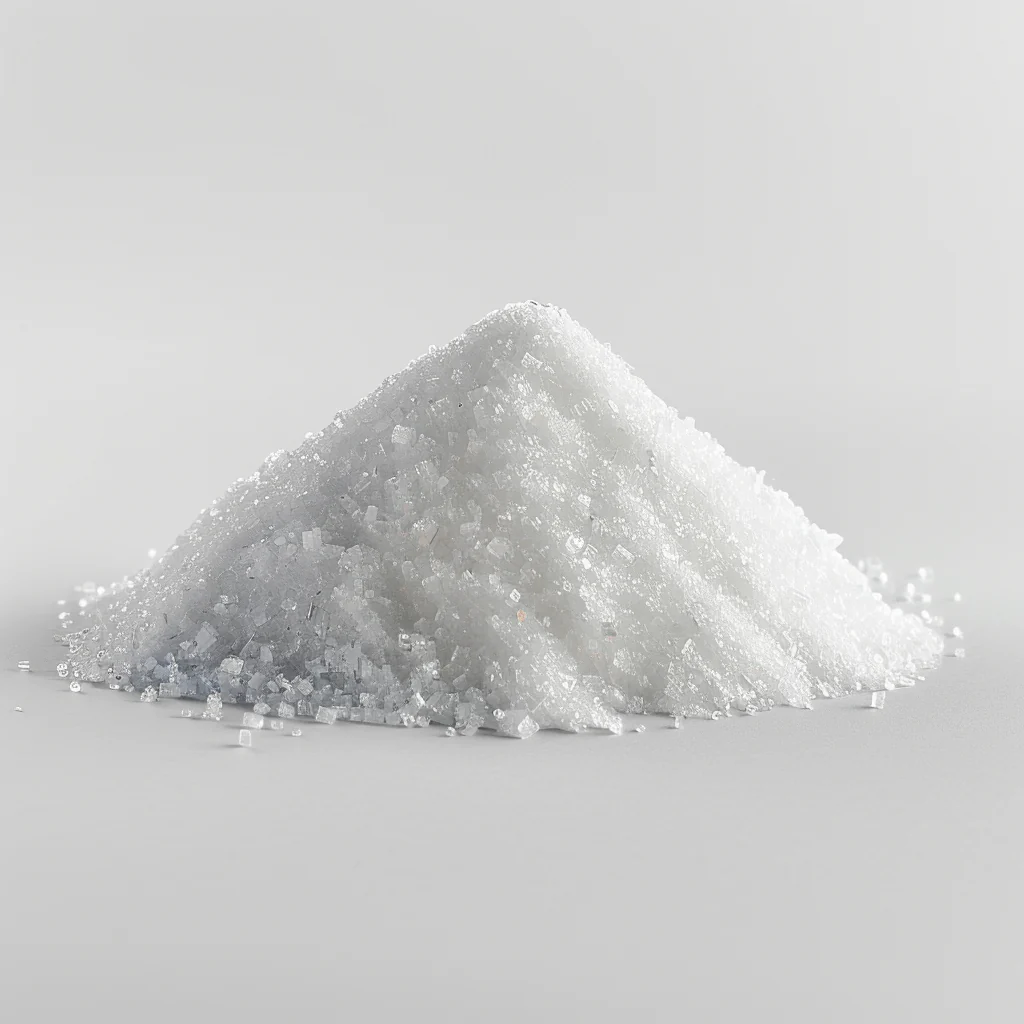
Choline is the raw material the brain uses to make acetylcholine, the neurotransmitter behind focus, memory and learning — which is why it appears in almost every serious nootropic stack. But "choline" is not one ingredient. The three common forms — CDP-Choline (Citicoline), Alpha-GPC and Choline Bitartrate — differ substantially in how well they reach the brain and what else they contribute. For most people seeking cognitive support, CDP-Choline offers the best balance, which is the form Sharper Human uses at 300mg.
Key Takeaways
The Three Forms, Compared
CDP-Choline (Citicoline) breaks down into choline and cytidine. The choline supports acetylcholine production, while the cytidine converts to uridine, which supports the synthesis of phosphatidylcholine — a key membrane phospholipid. In other words, Citicoline supports both the neurotransmitter side and the structural side of brain health, which is why it is so common in premium stacks. Cognitive studies typically use 250–500mg.
Alpha-GPC is also highly bioavailable and delivers a higher percentage of choline by weight than Citicoline. It is well studied, including for physical performance, and is a strong choline source. Its main practical downsides are that it is hygroscopic (it readily absorbs moisture, which can complicate formulation) and that some emerging research has raised questions worth watching, though it remains widely used and regarded as effective.
Choline Bitartrate is choline bound to tartaric acid. It is inexpensive and fine for topping up general dietary choline, but it does not raise brain acetylcholine levels as efficiently as the other two — much of it is metabolised before it can act centrally. For cognition specifically, it is the weakest of the three.
Dosing, Stacking and Practical Buying Advice
Once the form is settled, three practical questions remain: how much, with what, and whether to buy choline alone or inside a stack. On dosing, the cognitive research on Citicoline clusters in the 250–500mg range; Alpha-GPC is often used around 300–600mg. More is not automatically better — these are functional doses, not amounts where doubling reliably doubles the effect — so a product landing in the studied range matters more than chasing the highest number on a label.
On stacking, choline rarely works in isolation. It is the precursor to acetylcholine, but the brain also needs the supporting cast: B-vitamins as cofactors for neurotransmitter synthesis, and membrane components like Phosphatidylserine and DHA for the structural side of the picture. This is the logic behind including choline in a complete formula rather than as a lone capsule — the choline arrives with the cofactors and membrane support that make it useful, rather than as raw material with nothing to work alongside.
The cost comparison is worth running. A quality standalone Citicoline supplement typically costs £15–25 a month on its own; add a separate Phosphatidylserine, a DHA source, a B-complex and the other actives a serious nootropic user wants, and the total quickly exceeds the price of a single comprehensive formula while requiring a handful of separate capsules each day. For someone who specifically wants only choline — perhaps to pair with a regimen they already run — a standalone CDP-Choline or Alpha-GPC product in the 250–500mg range is the sensible buy. For someone who wants choline working in context, a multi-ingredient stack consolidates it with the rest for a comparable or lower total cost.
Two final practical notes. Choline is also obtained from food — eggs are the standout dietary source — so supplementation tops up rather than replaces a reasonable diet. And because Citicoline and Alpha-GPC are well absorbed and usually taken in the morning, they fit easily into a once-daily routine, on their own or as part of a broader formula. Tolerability is generally good at sensible doses, though a minority of people find very high choline intakes give them a headache or a feeling of over-stimulation — another reason to favour a dose in the studied range and to take it with food. The short version: choose CDP-Choline or Alpha-GPC over Bitartrate for cognitive goals, stay within 250–500mg for Citicoline, and decide between a standalone product and a complete stack based on whether choline is the only thing being added or one piece of a wider routine.
Why Sharper Human Uses CDP-Choline
Sharper Human uses 300mg of Citicoline (CDP-Choline), and the reasoning reflects the comparison above. The dual action — supporting acetylcholine for focus and memory, and supplying cytidine for membrane phospholipids — fits a formula that targets both immediate cognitive performance and long-term brain health. It also pairs naturally with the other ingredients in the stack: the Phosphatidylserine (301mg) and DHA (50mg) work on the same membrane-health theme, while Lion's Mane and Bacopa address neurotrophic and memory pathways. Founder Tom Buckland built the stack around this kind of synergy rather than isolated high doses.
For anyone choosing a standalone choline supplement, the practical guidance is simple: pick CDP-Choline or Alpha-GPC over Bitartrate if the goal is cognitive, and aim for a dose in the studied 250–500mg range. It is also worth checking the label for the actual elemental choline or standardised content rather than the headline weight of the compound, since the two are not the same and the difference decides how much active choline a serving really delivers. And as with any cognitive ingredient, choline supports the acetylcholine system rather than overriding the basics — sleep, diet and consistent use still set the ceiling on what it can do. For those who would rather have choline within a complete stack, Sharper Human delivers 300mg of Citicoline alongside 19 other ingredients in a caffeine-free daily serving, available on Amazon in the UK for around £79 per month, with US availability planned.
References & further reading
- Nakazaki E, Mah E, Sanoshy K, et al. Citicoline and Memory Function in Healthy Older Adults: A Randomized, Double-Blind, Placebo-Controlled Clinical Trial. The Journal of Nutrition. 2021. doi:10.1093/jn/nxab119. View source ↗
- Kongkeaw C, Dilokthornsakul P, Thanarangsarit P, et al. Meta-analysis of randomized controlled trials on cognitive effects of Bacopa monnieri extract. Journal of Ethnopharmacology. 2014;151(1):528–535. View source ↗
- Docherty S, Doughty FL, Smith EF. The Acute and Chronic Effects of Lion’s Mane Mushroom Supplementation on Cognitive Function, Stress and Mood in Young Adults. Nutrients. 2023;15. View source ↗
- Peer-reviewed research on choline — PubMed, U.S. National Library of Medicine. View source ↗