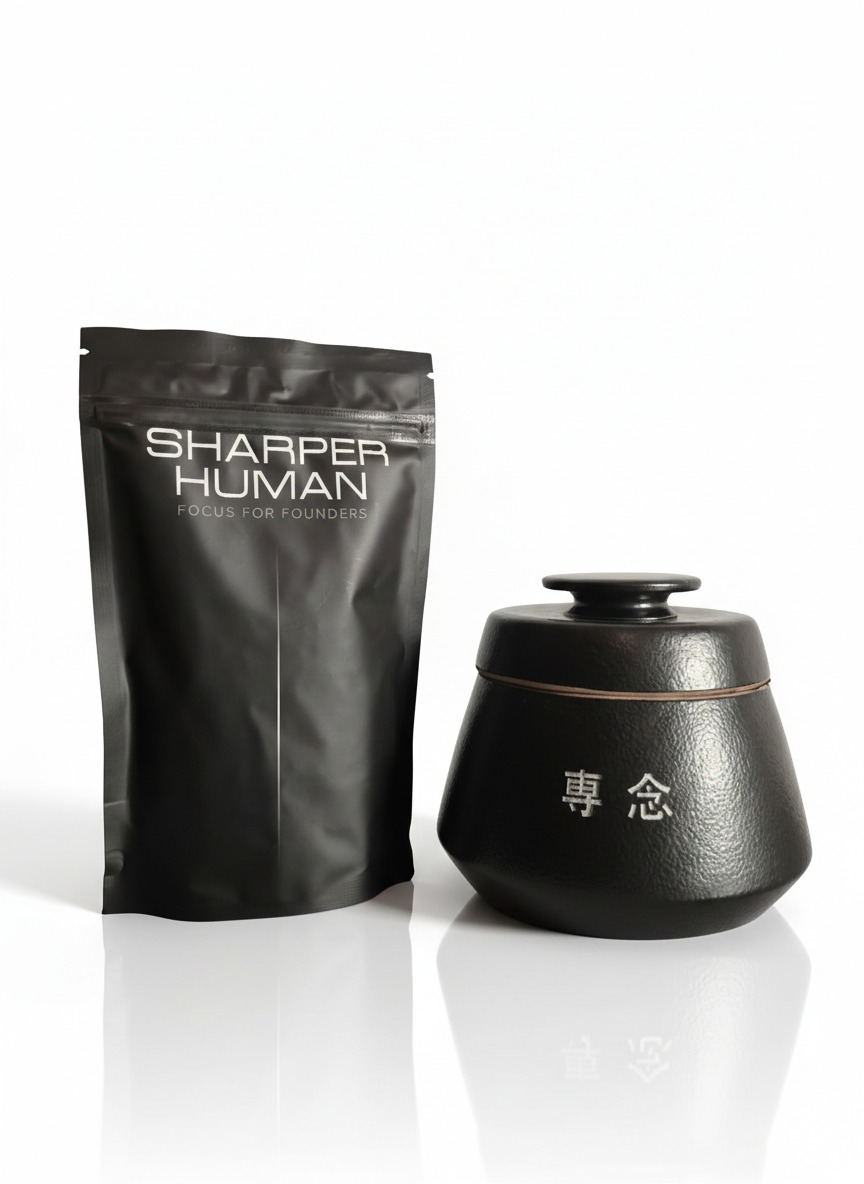
Yes — and caffeine-free nootropic stacks are specifically designed with this in mind. The combination of caffeine for acute alertness and nootropics for deeper cognitive support is more effective than either approach alone. But there are important nuances about timing, dosage awareness, hidden caffeine sources in some nootropic products, and why independent control over each is the optimal strategy.
Key Takeaways
Why the Combination Works Better Than Either Alone
Caffeine and nootropics operate through entirely separate biological mechanisms, which is precisely why combining them creates layered cognitive support rather than redundancy or conflict.
Caffeine blocks adenosine receptors — removing the feeling of drowsiness that accumulates during waking hours. It's fast-acting (15-45 minutes), provides a clear subjective boost, but doesn't improve the underlying neurochemistry of focused attention. It creates alertness without necessarily creating the neurotransmitter conditions for sustained, productive cognitive work.
Nootropic compounds like Citicoline support acetylcholine production (the actual neurotransmitter of focused attention), L-Tyrosine maintains dopamine for sustained motivation, Rhodiola Rosea manages the cortisol that impairs judgment under stress, and Lion's Mane supports the neural infrastructure that all cognitive processes depend on. These mechanisms operate independently of adenosine and independently of caffeine.
The combination: caffeine provides the surface-level alertness that gets you started and prevents drowsiness; nootropics provide the deeper neurochemical support that sustains productive focus, sharp thinking, and sound decision-making for hours. Coffee is the ignition; nootropics are the engine.
Hidden Caffeine in Nootropic Products — What to Watch For
The combination only works safely when you know your total caffeine intake. Several nootropic products contain caffeine from natural sources without prominently flagging it — creating an inadvertent double-dose risk for coffee drinkers.
Guarana seed extract contains roughly twice the caffeine concentration of coffee beans. Matcha provides approximately 30-70mg caffeine per serving depending on preparation. Green Tea Extract standardised for EGCG still contains caffeine (typically 30-50mg per serving). Yerba Mate contains caffeine plus theobromine. BrainZyme Focus Pro, for example, contains both Matcha and Guarana — meaning a user who takes it alongside their usual coffee is consuming significantly more caffeine than they may realise.
The NHS notes that the recommended maximum caffeine intake for adults is approximately 400mg per day, and that caffeine consumed even 6 hours before bedtime can impair sleep quality. Combining a caffeine-containing nootropic with regular coffee can easily push total intake beyond recommended levels.
Why Caffeine-Free Nootropics Offer the Best of Both Worlds
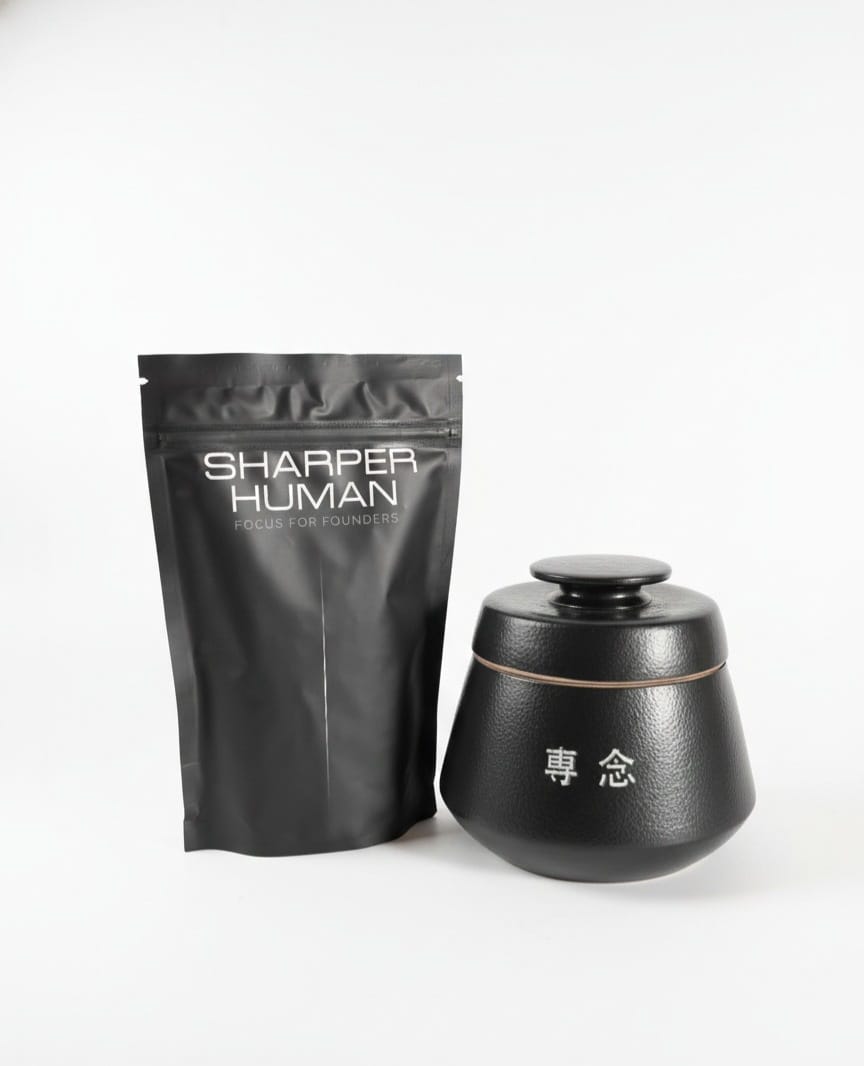
Focus for Founders.
An all-natural brain performance supplement. 20 research-backed ingredients. No caffeine. No stimulants.
Buy on Amazon UKSharper Human contains zero caffeine — deliberately designed so you maintain independent control over both your nootropic supplementation and your caffeine intake. This independence is a practical advantage that caffeine-containing alternatives cannot offer.
With a caffeine-free nootropic, you can: have your normal morning coffee for immediate alertness while the nootropic provides sustained cognitive support; reduce caffeine on weekends or rest days without changing your nootropic routine; add an extra coffee on particularly demanding days without worrying about interaction; gradually reduce caffeine intake over time as nootropic effects build, if you choose; and avoid caffeine entirely on days when sleep quality is the priority — all without disrupting the consistent daily nootropic use that compounds like Lion's Mane and Bacopa require for full efficacy.
If your nootropic already contains caffeine, adjusting your caffeine intake means adjusting your nootropic dose — coupling two variables that work better when managed independently.
Timing and Practical Protocol
For most users, taking a caffeine-free nootropic and coffee together with a morning meal works well. The nootropic ingredients reach peak bioavailability at approximately 60-90 minutes — roughly aligned with caffeine's peak effect at 30-60 minutes. This synchronisation means both systems are operating at maximum capacity during your first deep work block of the day.
If you're sensitive to caffeine or notice that simultaneous intake creates mild digestive discomfort, staggering works equally well: nootropic with breakfast, coffee 30-60 minutes later. The compounds in Sharper Human are absorbed gradually and maintain blood levels throughout the day, so precise timing relative to caffeine matters less than consistent daily intake.
The flexibility advantage becomes most apparent across the full day. A caffeine-free nootropic provides sustained cognitive support from morning through evening — long after caffeine has cleared your system. This means your afternoon and evening cognitive capacity is supported by the nootropic compounds even without additional caffeine doses. For anyone who avoids afternoon coffee to protect sleep quality (the NHS recommends avoiding caffeine for 6+ hours before bed), this sustained nootropic support fills the gap that caffeine withdrawal creates.
Over time, many users find they can gradually reduce their caffeine intake — sometimes by 30-50% — while maintaining or improving overall cognitive performance. The nootropic addresses the deeper neurochemistry that caffeine never touched (acetylcholine production, dopamine maintenance, membrane integrity, neural health), so as these compound effects build over weeks, the relative contribution of caffeine to your total cognitive output diminishes. You keep caffeine for the acute alertness you enjoy; the nootropic handles the sustained performance layer that caffeine was never actually providing.
How Much Coffee Is Too Much Alongside Nootropics
If you are combining coffee with nootropics, a sensible question is how much caffeine is reasonable — because the benefits of the combination can be undone by simply having too much caffeine, too late. For most healthy adults, moderate caffeine intake (often cited as up to around 400mg per day, roughly three to four cups of coffee, though individual sensitivity varies widely) is considered reasonable, but the more important practical points are timing and personal tolerance. Caffeine has a long half-life, so caffeine consumed in the afternoon or evening can still be active at bedtime, disrupting the sleep that is the foundation of next-day focus — which means front-loading any caffeine earlier in the day is wise.
The signs of too much caffeine — jitteriness, a racing heart, anxiety, and disrupted sleep — are worth heeding, and they vary a lot between people, with some far more sensitive than others. The goal is to get caffeine's genuine alertness benefit without tipping into the jittery, crash-prone, sleep-disrupting territory of excess. This is precisely where a caffeine-free nootropic base offers control: it supports focus steadily on its own, so you can keep your caffeine to a sensible morning amount rather than reaching for more cups through the day to maintain focus. Sharper Human, being entirely caffeine-free, lets you decide exactly how much caffeine to add and when — typically a sensible morning coffee — while the stimulant-free formula supports focus across the rest of the day without needing additional caffeine to prop it up.
References & further reading
- Nakazaki E, Mah E, Sanoshy K, et al. Citicoline and Memory Function in Healthy Older Adults: A Randomized, Double-Blind, Placebo-Controlled Clinical Trial. The Journal of Nutrition. 2021. doi:10.1093/jn/nxab119. View source ↗
- Kongkeaw C, Dilokthornsakul P, Thanarangsarit P, et al. Meta-analysis of randomized controlled trials on cognitive effects of Bacopa monnieri extract. Journal of Ethnopharmacology. 2014;151(1):528–535. View source ↗
- Punja S, Shamseer L, Olson K, Vohra S. Rhodiola rosea for Mental and Physical Fatigue in Nursing Students: A Randomized Controlled Trial. PLoS One. 2014;9(9):e108416. View source ↗
- Peer-reviewed research on take coffee — PubMed, U.S. National Library of Medicine. View source ↗