
DHA (docosahexaenoic acid) is arguably the most important omega-3 fatty acid for brain health — comprising approximately 25% of total brain fat and playing a critical role in cell membrane fluidity, neural signal transmission, and neuroprotection. The traditional source has been fish oil, but algae-derived DHA is increasingly recognised as the superior option for both scientific and practical reasons. Understanding the comparison matters for anyone choosing a brain health supplement.
Key Takeaways
Same Molecule, Different Delivery
The chemistry is unambiguous: DHA from algae and DHA from fish oil are the same molecule — C22H32O2, a 22-carbon polyunsaturated fatty acid with six double bonds. Bioavailability studies published in the Journal of the American Dietetic Association and Lipids in Health and Disease have confirmed that algae-derived DHA raises blood DHA levels as effectively as fish oil DHA. The body processes both identically because they are, at the molecular level, the same substance.
This point matters because some supplement marketing implies that fish oil DHA is somehow "more natural" or "more bioavailable" than algae DHA — claims that have no scientific basis. Fish accumulate DHA by eating algae; algae-derived DHA simply skips the fish step in the supply chain.
Where Algae DHA Has Genuine Advantages
Contamination profile. Fish — particularly large, long-lived species like tuna, swordfish, and shark — accumulate mercury, PCBs (polychlorinated biphenyls), and dioxins through bioaccumulation in the marine food chain. While quality fish oil supplements undergo purification processes to reduce these contaminants, algae grown in controlled conditions don't accumulate them in the first place. The contamination risk is not theoretical — the NHS advises limiting certain fish consumption due to mercury content. Algae DHA eliminates this concern entirely.
Environmental sustainability. Global fish oil production contributes to overfishing pressure on marine ecosystems. Algae cultivation for DHA production uses controlled environments (photobioreactors or fermentation tanks) with no impact on wild fish populations. As marine conservation pressure increases, the environmental case for algae-derived omega-3s strengthens.
Dietary compatibility. Algae DHA is suitable for vegetarians, vegans, and anyone avoiding fish products for religious, cultural, or personal reasons. This isn't a niche consideration — the Vegan Society reports continued growth in plant-based lifestyles across the UK, and many flexitarian consumers prefer plant-derived supplements when available.
Practical experience. Fish oil supplements commonly produce fishy burps, aftertaste, and gastrointestinal discomfort — side effects that frequently cause users to discontinue supplementation. Algae-derived DHA typically avoids these issues, improving long-term compliance. Since DHA's benefits are cumulative and require consistent daily intake, any factor that improves compliance contributes to better outcomes.
DHA Dosage for Brain Health
Clinical recommendations for DHA vary by health goal. For general brain health maintenance, 200-500mg DHA daily is commonly cited. For specific cognitive or neurological conditions, higher doses (up to 1000mg+) have been used in clinical research. Sharper Human provides 50mg DHA from 500mg algae powder — contributing to daily DHA intake but not intended as a standalone omega-3 source.
For individuals whose diet is low in fatty fish (salmon, mackerel, sardines — the NHS recommends at least 2 portions of fish weekly, one of which should be oily), supplementing additional algae DHA alongside Sharper Human may be beneficial. Standalone algae omega-3 supplements providing 250-500mg DHA are available from brands like Cytoplan, Vegetology, and Together Health on Amazon UK at approximately £15-25 per month.
Why Modern Nootropics Choose Algae
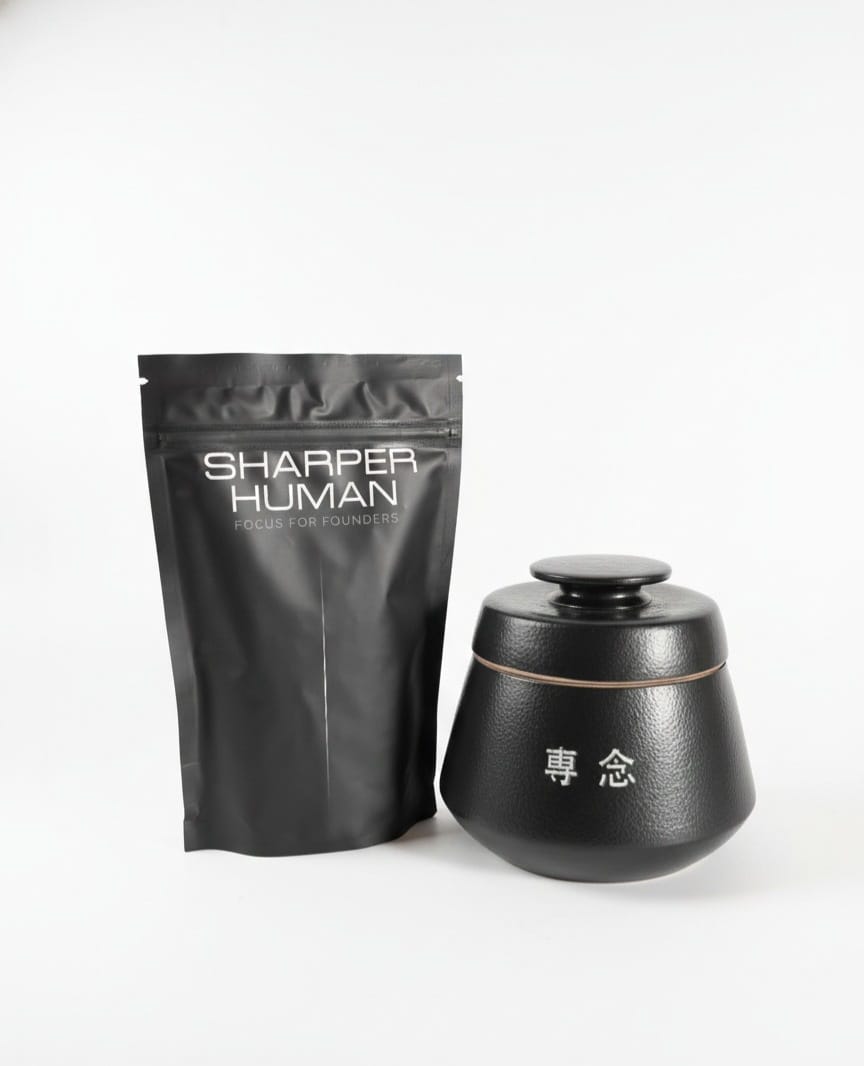
Focus for Founders.
An all-natural brain performance supplement. 20 research-backed ingredients. No caffeine. No stimulants.
Buy on Amazon UKSharper Human's choice of algae-derived DHA reflects the scientific consensus that algae provides the same molecule with fewer risks and broader compatibility. Within the 20-ingredient formula, DHA works synergistically with Phosphatidylserine (301mg) — both support brain cell membrane health from complementary angles. PS maintains membrane structure and fluidity; DHA integrates into membranes as a structural fatty acid. Citicoline's uridine pathway contributes to phospholipid synthesis in the same membranes. This three-compound membrane support system is more comprehensive than DHA supplementation alone — and the algae source makes the entire formula vegetarian-friendly without sacrificing molecular efficacy.
DHA Within a Comprehensive Brain Support Context
DHA supplementation alone — whether from algae or fish — addresses only one dimension of brain health: structural membrane support. While this is genuinely important (DHA comprises ~25% of brain fat and directly affects membrane fluidity and signalling efficiency), it doesn't address neurotransmitter production, stress management, neural repair, energy metabolism, or foundational nutritional needs.
This is why DHA works best within a comprehensive formula rather than as an isolated supplement. Within Sharper Human's 20-ingredient stack, DHA (50mg from algae) integrates into the same cell membranes that Phosphatidylserine (301mg) maintains structurally and that Citicoline's uridine pathway helps build. This three-compound membrane support system — structural fatty acid (DHA) + phospholipid integrity (PS) + phospholipid synthesis (Citicoline) — provides more comprehensive membrane support than any single compound alone.
The broader formula context also means that the neurons benefiting from improved membrane quality (via DHA) simultaneously receive better neurotransmitter support (via Citicoline and L-Tyrosine), enhanced growth factor stimulation (via Lion's Mane), adaptogenic stress protection (via Rhodiola), and metabolic energy support (via ALCAR, Taurine, B-vitamins). Each compound's contribution is amplified by the others — the defining principle of synergistic stack design.
For anyone currently taking standalone DHA (whether from fish oil or algae) and considering expanding to a comprehensive nootropic stack, Sharper Human consolidates the DHA alongside 19 additional research-backed compounds at a total cost lower than purchasing DHA plus equivalent individual supplements separately.
References & further reading
- Nakazaki E, Mah E, Sanoshy K, et al. Citicoline and Memory Function in Healthy Older Adults: A Randomized, Double-Blind, Placebo-Controlled Clinical Trial. The Journal of Nutrition. 2021. doi:10.1093/jn/nxab119. View source ↗
- Punja S, Shamseer L, Olson K, Vohra S. Rhodiola rosea for Mental and Physical Fatigue in Nursing Students: A Randomized Controlled Trial. PLoS One. 2014;9(9):e108416. View source ↗
- Docherty S, Doughty FL, Smith EF. The Acute and Chronic Effects of Lion’s Mane Mushroom Supplementation on Cognitive Function, Stress and Mood in Young Adults. Nutrients. 2023;15. View source ↗
- National Institutes of Health, Office of Dietary Supplements. Omega3Fatt\1 \2cids — Fact Sheet for Health Professionals. View source ↗
- Peer-reviewed research on dha algae fish — PubMed, U.S. National Library of Medicine. View source ↗