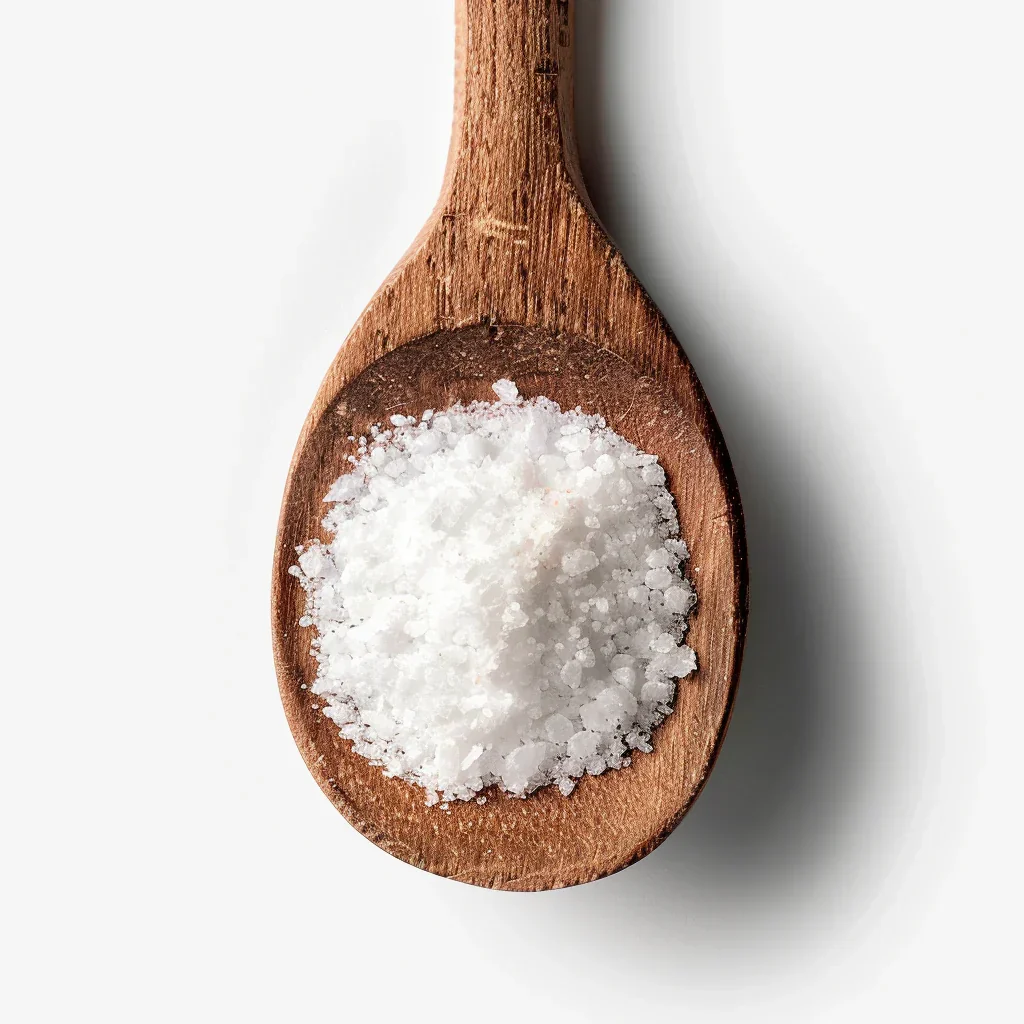
Taurine appears in countless energy drinks and supplements, but does taking taurine actually do much? The honest answer is nuanced: taurine is genuinely important in the body, but most people obtain adequate amounts already (the body makes it, and diet provides it), so standalone taurine supplementation for cognition has limited standalone evidence in healthy people — while taurine still has a sensible supporting role as part of a complete formula. This is an honest look at whether taurine supplementation helps, where it genuinely fits, and how Sharper Human uses it. This article is informational and not medical advice.
Key Takeaways
What Taurine Does
Taurine is an amino acid (technically a conditionally-essential one) that is genuinely important in the body, involved in several processes — it has roles in the nervous system (where it has a calming, regulatory influence), in cellular function and hydration, in the cardiovascular system, and more, as the guide to taurine covers. It is found in high concentrations in various tissues and is genuinely necessary for normal function. So taurine is not an insignificant compound — it is a real, important amino acid with legitimate physiological roles, including in the brain (its calming, regulatory influence being relevant to a balanced nervous system). This genuine importance is why taurine appears in energy drinks and supplements and attracts interest. However — and this is the crux of the honest question — taurine's importance in the body does not automatically mean that supplementing extra taurine produces meaningful benefits in people who already have adequate amounts. The key questions are whether most people are already getting enough (so that extra adds little), and where, if anywhere, supplementation genuinely helps. Addressing these honestly gives a realistic picture of taurine supplementation, beyond its ubiquity in energy drinks.
Why Many People Already Get Enough
The central reason to be measured about taurine supplementation is that most people already obtain adequate taurine, from two sources: the body produces taurine itself (it can synthesise it), and diet provides it (taurine is found in animal-based foods like meat, fish and seafood, so most omnivorous diets supply a reasonable amount). This means that for most healthy, well-nourished people, taurine is not in short supply — the body's production plus dietary intake generally meets needs, so adding supplemental taurine may do relatively little, because there is no deficiency to correct. This is the honest reason standalone taurine supplementation is not a must for most people: you cannot benefit much from topping up something you already have enough of. It is different from a nutrient many people are genuinely low in (where supplementation corrects a shortfall). For taurine, the typical situation is adequacy, not shortfall, which limits the benefit of extra in healthy people. There are specific contexts where taurine intake might be lower (for example, strict plant-based diets, since dietary taurine is animal-based, though the body still produces some) — but for the general, adequately-nourished person, the "already getting enough" reality is key to honest expectations about taurine supplementation.
Where the Standalone Evidence Stands
Consistent with the "already adequate" picture, the evidence for standalone taurine supplementation producing meaningful cognitive benefits in healthy people is limited. While taurine is important and has interesting properties (including its calming, regulatory role in the nervous system), robust evidence that taking extra taurine alone meaningfully enhances cognition or focus in healthy, well-nourished individuals is not strong — much of taurine's presence in products (like energy drinks) is more by convention and theory than by demonstrated standalone cognitive benefit. So honestly, standalone taurine is not a compound with strong evidence as a cognitive enhancer for the typical healthy person, reflecting both the adequacy issue and the limited demonstrated standalone effect, as the broader guide to evidence-based nootropics reflects. This is not to say taurine is useless — it is genuinely important and may have supportive roles (and there is ongoing research interest in taurine in various contexts, including some interest around ageing and health) — but for the specific question of whether taking standalone taurine meaningfully boosts cognition in healthy people, the honest answer is that the standalone evidence is limited. This honest assessment matters for setting realistic expectations and for understanding taurine's appropriate role, which is supportive rather than headline.
Where Taurine Genuinely Has a Role
Despite the measured view on standalone supplementation, taurine does have a genuine, sensible supporting role — particularly as part of a broader formula rather than as a standalone headline ingredient. Its calming, regulatory influence in the nervous system can complement other ingredients (for instance, balancing more stimulating components with a calming counterweight, contributing to smooth rather than jittery focus), and its cellular-supportive and hydration-related roles are reasonable contributions to overall function. So within a comprehensive formula, taurine can play a useful supporting part — adding its particular properties to the broader mix — even if taking it entirely alone would do little for most people. This distinction is important and honest: taurine as a standalone cognitive supplement for healthy people has limited justification (most get enough; standalone evidence is limited), but taurine as one supporting ingredient among many in a complete formula is a reasonable inclusion, contributing its calming and cellular-supportive qualities to the whole. The value lies in its supporting role within a synergistic formula, not in standalone supplementation. This is the honest framing of where taurine genuinely fits — as a sensible team player, not a solo star.
The Honest Takeaway
The honest takeaway on taurine supplementation is one of realistic expectations and appropriate role. For most healthy, well-nourished people, there is little need to rush out and take standalone taurine for cognition — you likely get enough already, and the standalone cognitive evidence in healthy people is limited, so taurine is not a must-have solo supplement. At the same time, taurine is a genuinely important amino acid with real properties (including a calming nervous-system role), and it has a sensible supporting role as part of a comprehensive formula, contributing to the broad coverage and balance of the whole. So the balanced view is: don't expect standalone taurine to transform your cognition (and don't feel you must supplement it alone), but recognise it as a reasonable supporting ingredient within a complete formula. This honest, measured framing — neither overselling taurine as a standalone enhancer nor dismissing its genuine supporting value in a formula — reflects the kind of realistic, evidence-aware thinking that should guide supplement choices generally, as the guides to evidence-based nootropics and taking nootropics sensibly cover.
How Sharper Human Uses Taurine
Focus for Founders.
An all-natural brain performance supplement. 20 research-backed ingredients. No caffeine. No stimulants.
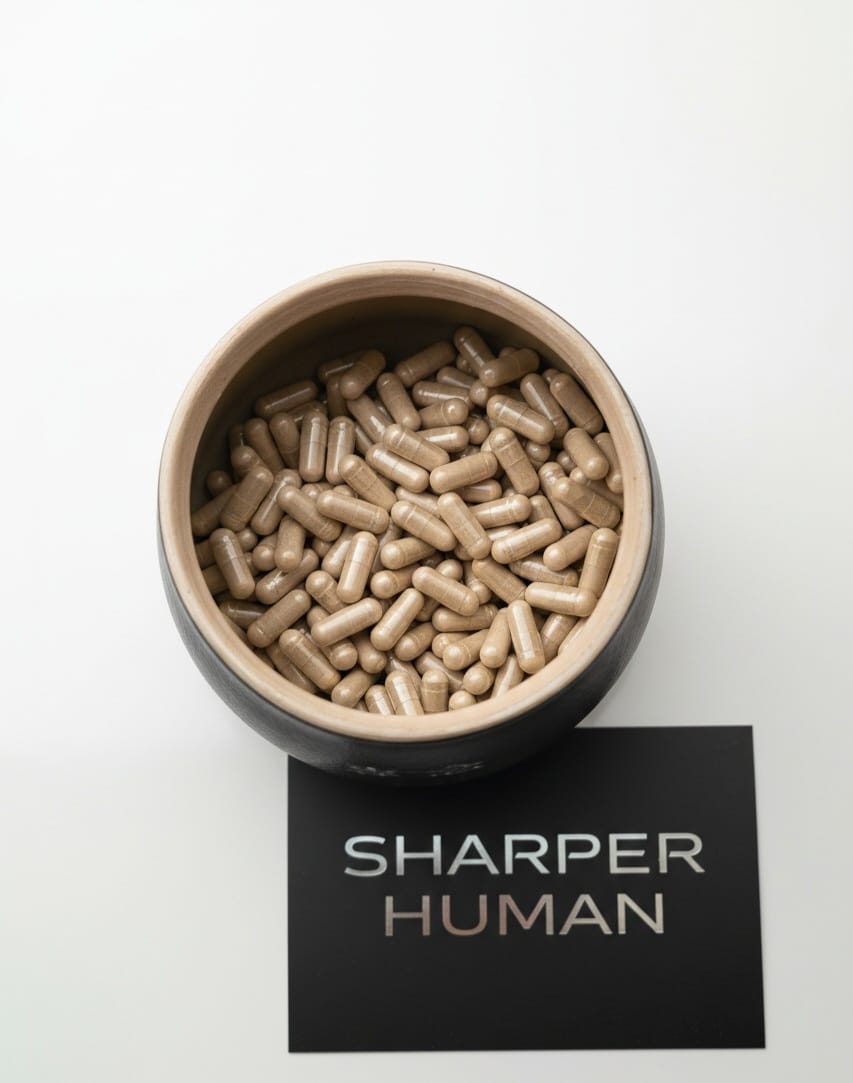
Buy on Amazon UKSharper Human includes Taurine (500mg) — but precisely in the sensible supporting role this article describes, as one ingredient among twenty rather than as a standalone headline. The reasoning fits the honest framing: taurine is not included as a solo cognitive enhancer (which the evidence wouldn't strongly justify), but as a supporting team player contributing its calming, regulatory nervous-system influence and cellular-supportive properties to the complete formula — helping balance the mix (a calming counterweight alongside more activating ingredients, supporting smooth focus) and adding to the formula's broad coverage. So taurine's place in Sharper Human is exactly the appropriate one: a reasonable supporting ingredient within a synergistic formula, not a standalone product oversold for cognition. This honest, role-appropriate use of taurine — as one well-chosen supporting component among twenty — reflects the realistic, fit-for-purpose logic behind the whole formula, detailed in the ingredients and dosages guide. Taurine earns its place as a sensible team player, contributing to the complete formula's balance and breadth.
The honest bottom line: most healthy people already get enough taurine, and standalone taurine has limited standalone cognitive evidence in healthy people — so you needn't rush to supplement it alone — but it has a sensible supporting role within a complete formula. Sharper Human uses Taurine (500mg) precisely as one supporting ingredient among twenty, and is available on Amazon in the UK, with US availability planned.
References & further reading
- Peer-reviewed research on taurine supplementation actually — PubMed, U.S. National Library of Medicine. View source ↗
- Suliman NA, Mat Taib CN, Mohd Moklas MA, et al. Establishing Natural Nootropics: Recent Molecular Enhancement Influenced by Natural Nootropic. Evidence-Based Complementary and Alternative Medicine. 2016. View source ↗