Folate — vitamin B9 — is best known for its critical role in pregnancy, but it is also a genuinely important nutrient for the brain throughout life, working hand in hand with vitamin B12 in the metabolic machinery behind neurotransmitter production. Like B12, its importance is well established and its main question is whether you are getting enough. This is an honest look at folate and the brain, why it partners with B12, who is at risk of a shortfall, and why Sharper Human includes it as part of a full B-complex. This article is informational and not medical advice.
Key Takeaways
What Folate Is
Folate is vitamin B9, a water-soluble B-vitamin found naturally in foods (the term "folate" refers to the natural forms, while "folic acid" is the synthetic form used in fortification and many supplements). It is essential for some of the most fundamental processes in the body: making and repairing DNA, forming red blood cells, and — most relevant here — supporting the production of neurotransmitters and the methylation reactions that underpin brain chemistry. Its fame comes from pregnancy, where adequate folate is critical for healthy fetal neural development, which is why folic acid supplementation is universally recommended around conception and early pregnancy. But folate's importance does not end there — it remains a key nutrient for brain and overall health across the lifespan, which is the focus of this guide.
The Methylation Cycle and the Brain
Folate's central role in the brain runs through what is called the methylation cycle — a fundamental metabolic process involved in producing neurotransmitters and many other essential compounds. Folate is a key player in this cycle, helping convert homocysteine into methionine and supporting the methylation reactions that the brain depends on for making chemicals like serotonin, dopamine and noradrenaline. When folate (or its partner B12) is lacking, this cycle is disrupted, which can affect neurotransmitter production and is associated with elevated homocysteine, a marker that has been studied in relation to cognitive and vascular health. This biochemistry is why folate is not merely a "nice to have" but a genuine cog in the machinery of brain chemistry — a foundational nutrient rather than an enhancer.
The Folate–B12 Partnership
Folate and vitamin B12 are best understood as a partnership, because they work together in the methylation cycle and each depends on the other to function properly. A deficiency in either can disrupt the shared cycle, and the two are so intertwined that supplementing one without regard to the other can sometimes mask or complicate a deficiency. This is precisely why brain-health and B-complex formulas include both folate and B12 together, supporting the cycle as a whole rather than one half of it. The B12 guide covers its partner in detail. For the cycle to run well — and for the neurotransmitter production that depends on it — having adequate amounts of both is what matters, which is the logic behind pairing them in a formula.
Who Is at Risk of a Shortfall
While severe folate deficiency is less common where foods are fortified, shortfalls and suboptimal intakes still occur for several reasons. People who eat few leafy greens, legumes and other folate-rich foods may fall short, and certain conditions or medications can impair folate status or increase needs. Heavy alcohol intake depletes folate. And of course, women who are pregnant or planning pregnancy have markedly increased folate needs — a special case discussed below. The symptoms of low folate overlap with those of low B12 — fatigue, low mood, and cognitive complaints like poor concentration — and can be easy to miss. As with B12, this makes folate a nutrient where quietly ensuring adequacy is sensible for many people, particularly those with limited dietary sources.
Getting Folate From Food (and a Pregnancy Note)
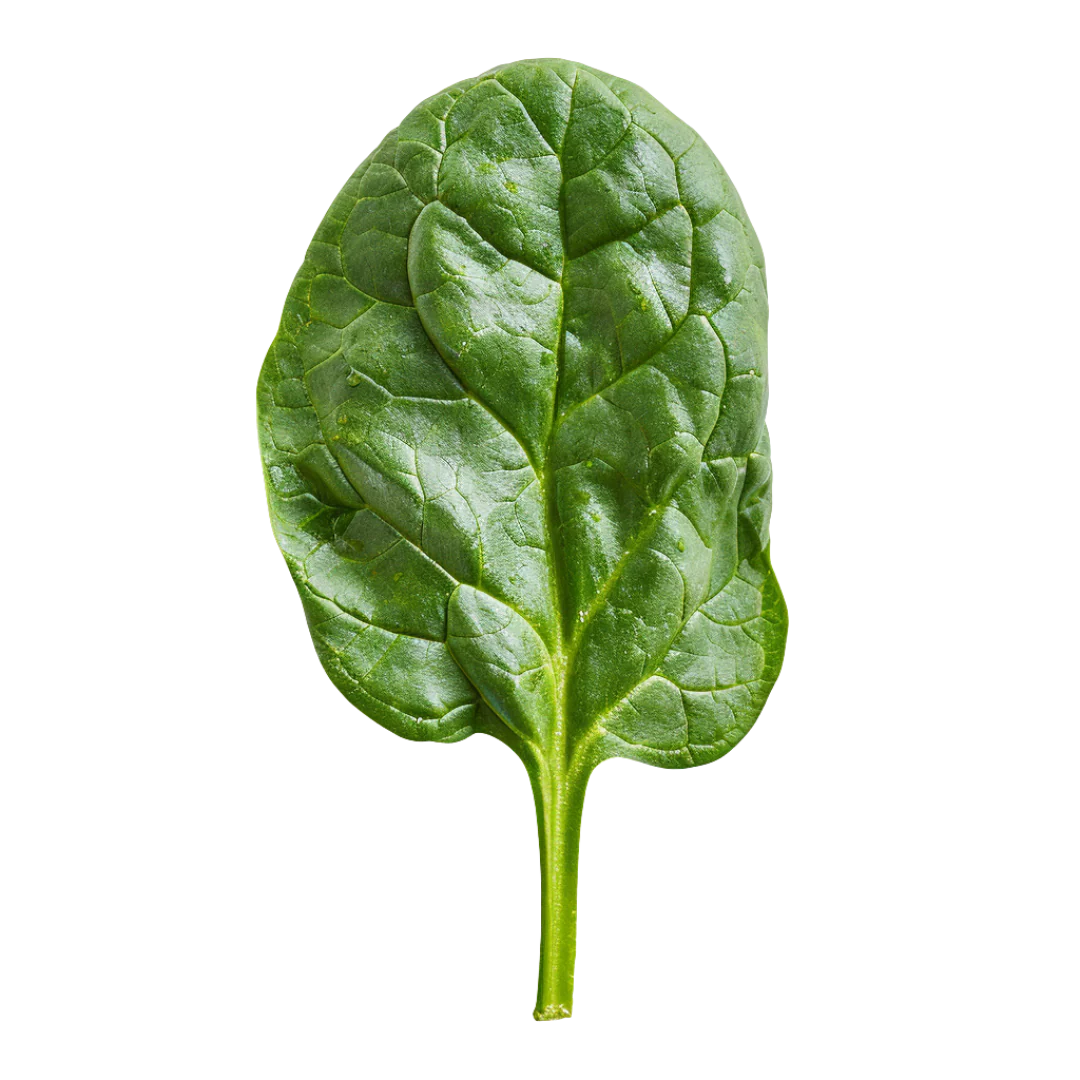
Food-first applies here, and folate is abundant in a good diet. The name itself comes from "foliage" — the richest sources are leafy green vegetables (spinach, kale), along with legumes (lentils, beans), and other vegetables, with many cereals and breads fortified with folic acid; the best foods for brain health guide covers these. A folate-rich diet supplies the vitamin in its natural form, and a B-complex supplement tops it up reliably. One important caveat deserves restating: women who are pregnant or trying to conceive have specific, elevated folate requirements for fetal development and should follow medical guidance on dedicated folic acid supplementation, rather than relying on a general formula — and as covered in the guide for nootropics for women, a focus supplement like Sharper Human is not a substitute for a prenatal supplement.
Why Sharper Human Includes It
Focus for Founders.
An all-natural brain performance supplement. 20 research-backed ingredients. No caffeine. No stimulants.
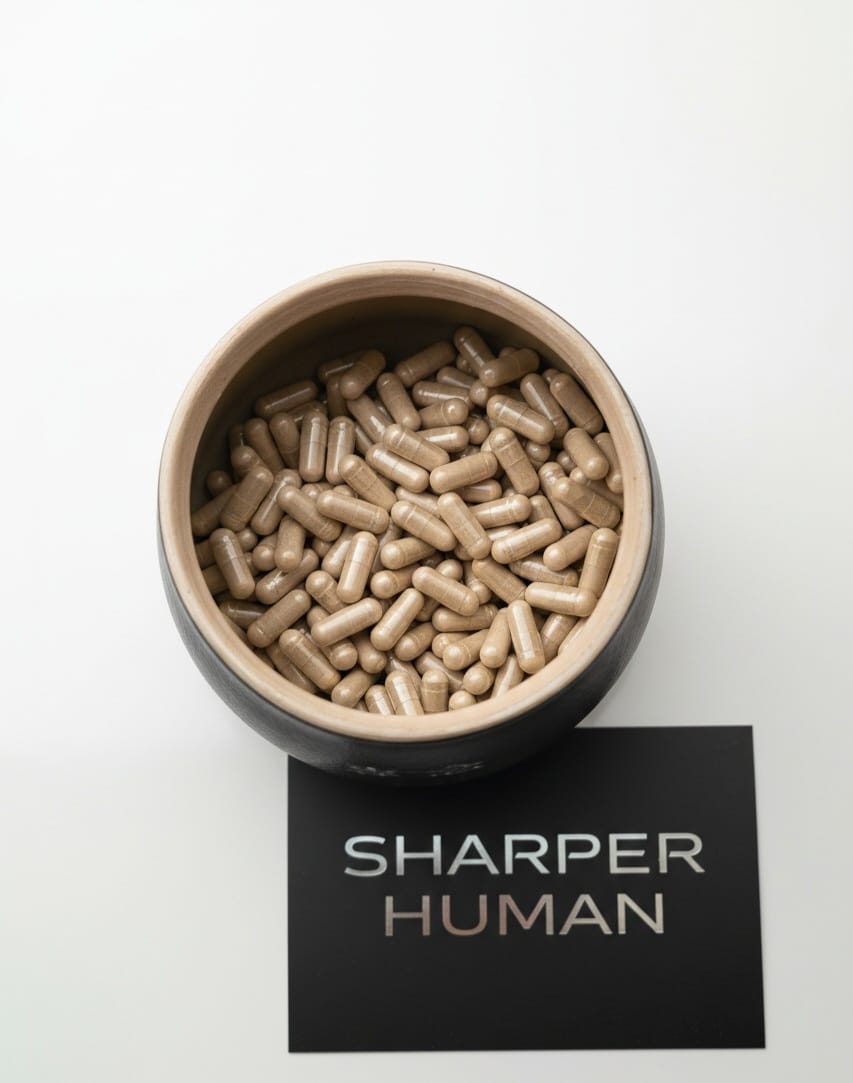
Buy on Amazon UKSharper Human includes folate at 203mcg as part of a full B-complex, and the reasoning mirrors that for B12: adequate folate is foundational to the neurotransmitter production and methylation chemistry the whole formula supports, it partners essentially with B12 (which the formula also includes at 10mcg), and shortfalls are not uncommon in the kind of health-conscious, sometimes plant-leaning audience that uses nootropics. Beyond covering dietary gaps, the B-complex as a whole acts as cofactors for the formula's other ingredients — supporting, for instance, the conversion of L-Tyrosine into dopamine — so the B-vitamins support the stack as a whole. This is the same evidence-led logic behind all 20 ingredients, detailed in the ingredients and dosages guide. Folate is a quiet but genuinely foundational inclusion.
The honest bottom line: folate is a foundational brain nutrient, essential to neurotransmitter production and the methylation cycle, working in partnership with B12 — which is exactly why Sharper Human includes it. Ensuring adequacy genuinely matters, and pregnant women should follow medical guidance on dedicated folic acid. Sharper Human is available on Amazon in the UK for around £79 per month, with US availability planned.
References & further reading
- National Institutes of Health, Office of Dietary Supplements. Folate — Fact Sheet for Health Professionals. View source ↗
- Peer-reviewed research on folate brain health — PubMed, U.S. National Library of Medicine. View source ↗