With hundreds of nootropic products on the market making wildly varying claims, choosing one can feel impossible — and the marketing is designed to make hype hard to distinguish from quality. The good news is that a few clear principles cut through almost all of it. This is a practical, honest buyer's guide to choosing a nootropic supplement: what genuinely matters (transparency, evidence-based ingredients, sensible doses, quality), the red flags that should make you walk away, and how to tell a serious product from a marketing exercise. The aim is to make you a confident, discerning buyer, using Sharper Human as an example of what a transparent product looks like.
Key Takeaways
Start With Transparency
The single most important thing to look for is full transparency — and it is the fastest way to filter out poor products. A trustworthy nootropic discloses every ingredient and its exact dose on the label, so you know precisely what you are taking and can check those doses against research. The opposite is the "proprietary blend", where a product lists ingredients but hides the individual doses behind a single combined figure — a practice that should make you deeply suspicious, because it conceals whether each ingredient is present at an effective dose or merely a sprinkle for label appeal. Reputable, confident products disclose their doses; products that hide them usually have something to hide, often underdosing. Insisting on full dose transparency, as the guide to nootropics without proprietary blends explains, eliminates a large share of poor products immediately.
Demand Evidence-Based Ingredients
Next, look at the ingredients themselves and whether they are actually well-evidenced. A good product is built around ingredients with genuine human research — Citicoline, Bacopa, L-Tyrosine, Lion's Mane, Rhodiola, the B-vitamins and the like — rather than a long list of exotic, trendy compounds chosen for marketing appeal over evidence. Be wary of products padded with obscure ingredients that sound impressive but have little research, or with a huge number of ingredients (which often means many are underdosed). Quality beats quantity: a focused formula of well-chosen, well-dosed, evidence-based ingredients is far better than a kitchen-sink list. The complete evidence-based guide covers the ingredients worth looking for, giving you a checklist to assess any product's formula against real science rather than marketing copy.
Check the Doses Are Sensible
Transparency is only useful if you then check that the disclosed doses are actually sensible and effective. A common trick is "label dressing" or underdosing — including an impressive-sounding ingredient at a tiny, sub-effective dose purely so it can appear on the label, while the real research used far more. With a transparent product, you can compare its doses against the amounts used in studies (which the ingredient guides on this site provide) to see whether they are meaningful. Equally, doses should not be recklessly high — sensible, researched amounts are the goal, not megadoses, which can cause problems (as with some minerals). The ability to verify doses is precisely why transparency matters so much: it lets you confirm a product delivers genuine, effective amounts of its ingredients rather than a token gesture.
Look at Quality and Testing
Beyond the formula, the quality of manufacturing matters for safety and reliability. Look for products made to recognised manufacturing standards (such as GMP, or the BRC standard), ideally with third-party testing for purity and to confirm the product contains what the label says, free from contaminants. Reputable manufacturers are transparent about where and how their product is made. This is especially important given that the supplement industry has variable quality, and poorly-made or grey-market products can contain contaminants or inaccurate doses, as the guide to nootropic safety covers. Quality manufacturing and testing are markers of a serious, responsible producer — Sharper Human, for instance, is made in the EU to UK BRC AA standards. A product that is cagey about its manufacturing or testing is a product to approach with caution.
The Red Flags to Walk Away From
Some warning signs should make you walk away regardless of how appealing a product looks. Miracle and "limitless" claims — promises of dramatic, instant, transformative results — are a reliable marker of hype or worse, since honest products describe realistic, supportive benefits. Proprietary blends that hide doses, as covered above, are a major red flag. So are a lack of transparency about ingredients, doses, manufacturing or testing; obvious underdosing once you check the numbers; and excessive, evidence-free ingredient lists designed to impress. Marketing that relies on fear, hype or pseudoscience rather than honest information is telling you something. Learning to spot these red flags is as valuable as knowing what to look for, because it protects you from the large segment of the market built on marketing rather than merit.
Judging Value, and a Transparent Example
Focus for Founders.
An all-natural brain performance supplement. 20 research-backed ingredients. No caffeine. No stimulants.
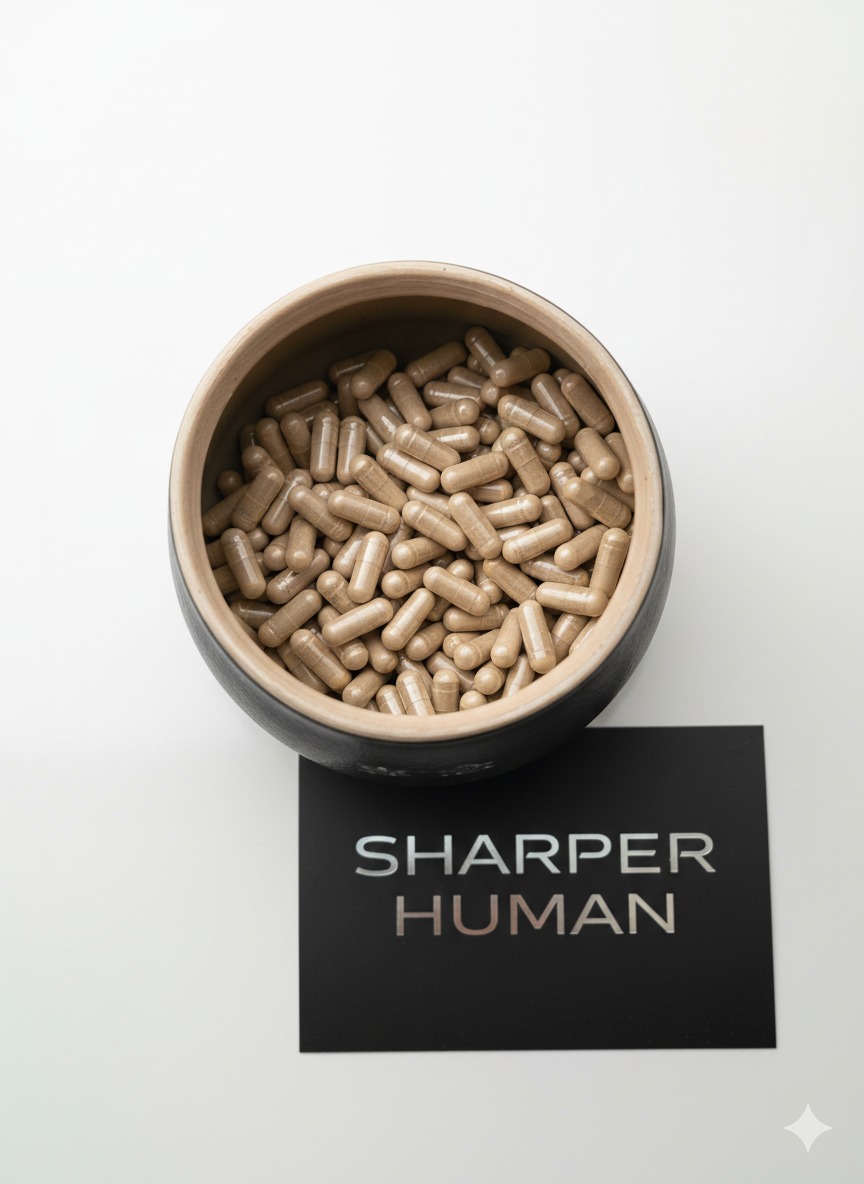
Buy on Amazon UKFinally, judge value correctly: not on price alone, nor on the number of ingredients, but on the doses of well-evidenced ingredients you actually receive for the money — a cheaper product full of underdosed filler is poorer value than a transparent, properly-dosed one, as the best value nootropics guide explains. Pulling the principles together, a good nootropic discloses every dose, uses well-evidenced ingredients at sensible amounts, is made to recognised standards with testing, and markets itself honestly. Sharper Human is built to illustrate exactly this: twenty disclosed ingredients at sensible doses, no proprietary blends, made to UK BRC AA standards, caffeine-free, with realistic and compliant claims — the kind of transparent product these principles point toward. Applying this checklist to any product lets you decide for yourself, on the merits.
The honest bottom line: choose a nootropic on transparency (every dose disclosed, no proprietary blends), well-evidenced ingredients at sensible doses, quality manufacturing and testing, and honest marketing — and walk away from hype, hidden doses and underdosed filler. Judge value on the effective doses you actually get. Sharper Human is built to meet these standards and is available on Amazon in the UK, with US availability planned.
References & further reading
- Nakazaki E, Mah E, Sanoshy K, et al. Citicoline and Memory Function in Healthy Older Adults: A Randomized, Double-Blind, Placebo-Controlled Clinical Trial. The Journal of Nutrition. 2021. doi:10.1093/jn/nxab119. View source ↗
- Kongkeaw C, Dilokthornsakul P, Thanarangsarit P, et al. Meta-analysis of randomized controlled trials on cognitive effects of Bacopa monnieri extract. Journal of Ethnopharmacology. 2014;151(1):528–535. View source ↗
- Punja S, Shamseer L, Olson K, Vohra S. Rhodiola rosea for Mental and Physical Fatigue in Nursing Students: A Randomized Controlled Trial. PLoS One. 2014;9(9):e108416. View source ↗
- Peer-reviewed research on choose — PubMed, U.S. National Library of Medicine. View source ↗