When people need a mental lift, energy drinks are often the default — cheap, everywhere, and undeniably effective at producing a short-term jolt. But "energy" and "focus" are not the same thing, and the way energy drinks deliver their kick comes with real downsides. This is an honest comparison of nootropics versus energy drinks for focus: how they differ in what they actually do, the sugar and crash problem, the sustainability question, and why a caffeine-free nootropic approach offers steadier support. This article is informational and not medical advice.
Key Takeaways
Two Different Things: Energy vs Focus
The first thing to clarify is that energy drinks and nootropics are aiming at somewhat different targets. Energy drinks are built to deliver "energy" — a quick boost in alertness and wakefulness — primarily through caffeine (often a high dose) and frequently sugar, sometimes with other ingredients like taurine, B-vitamins and herbal extracts. Nootropics, by contrast, aim to support "focus" and broader cognition — attention, memory, mental clarity, drive — typically through ingredients that support the underlying systems, ideally in a sustained way. Alertness and focus overlap, but they are not identical: an energy drink can make you feel wired and awake without necessarily improving the quality of your focus, and indeed can scatter it. Recognising this distinction — a short-term alertness jolt versus support for sustained cognitive quality — is the key to comparing them fairly.
How Energy Drinks Work (and the Crash)
Energy drinks work mainly through caffeine, a genuinely effective stimulant for alertness, combined often with sugar for a quick energy hit. The problem is the pattern this produces: a sharp spike in alertness and energy, followed by a crash as both the caffeine wears off and the blood-sugar surge from the sugar drops — frequently leaving a person more tired and foggy than before, prompting another can. The high caffeine can also bring jitteriness and, if consumed later in the day, disrupt sleep. So while energy drinks deliver on the short-term jolt, they do so via a spike-and-crash mechanism that is poorly suited to sustained focus, and that can create a cycle of dependence on the next can. The crash, the jitter and the sleep disruption are the real costs of the quick energy-drink fix, as the guide to caffeine as a nootropic explores.
The Sugar Problem
A distinct issue with many energy drinks is sugar. Beyond the cognitive spike-and-crash that a sugar hit contributes (the blood-sugar surge and subsequent dip mirror and amplify the caffeine crash), the sheer quantity of sugar in many energy drinks is a genuine health concern — regular consumption of sugary drinks is associated with various metabolic and dental issues, quite apart from focus. Even "sugar-free" energy drinks rely on the high-caffeine spike-and-crash, just without the sugar component. The sugar problem is a reason energy drinks are a particularly poor choice for anyone consuming them regularly for focus, layering a metabolic health concern on top of the cognitive crash. A focus approach built on non-stimulant, sugar-free ingredients avoids this issue entirely, supporting cognition without the sugar-and-caffeine roller coaster.
The Sustainability Question
The deepest difference is sustainability. Energy drinks are a short-term fix — useful, perhaps, for an occasional acute need, but poorly suited to being a daily, sustainable focus strategy, given the spike-and-crash, the caffeine tolerance that builds with regular use, the sleep disruption, and (with sugar) the health concerns. Relying on them daily tends to create a cycle of crashes and escalating consumption. A nootropic approach — particularly a caffeine-free one — is designed for the opposite: steady, sustainable support taken consistently, without crashes, tolerance build-up, sugar or sleep disruption. So for anyone seeking to support their focus day after day, rather than papering over a slump with a quick jolt, the sustainability of a nootropic approach is a decisive advantage, as the guide to the best caffeine-free focus supplement covers.
Where Each Makes Sense
In fairness, each has its place. An energy drink might be a reasonable occasional choice for an acute, one-off need for alertness — a long drive (with the safety caveats about not driving tired), a rare late night — where a short-term jolt is genuinely what is wanted, accepting the crash to follow. But for sustainable, daily focus support, a nootropic approach is far better suited, supporting cognition steadily without the downsides. For those who do want some caffeine's benefit, a sensible coffee (without the sugar and excessive doses of an energy drink) paired with a caffeine-free nootropic base offers a much better profile than an energy drink, as the guide to natural alternatives to caffeine covers. The honest framing: energy drinks for the rare acute jolt at most; a nootropic approach for genuine, sustainable focus support.
Why a Caffeine-Free Stack Is the Steadier Choice
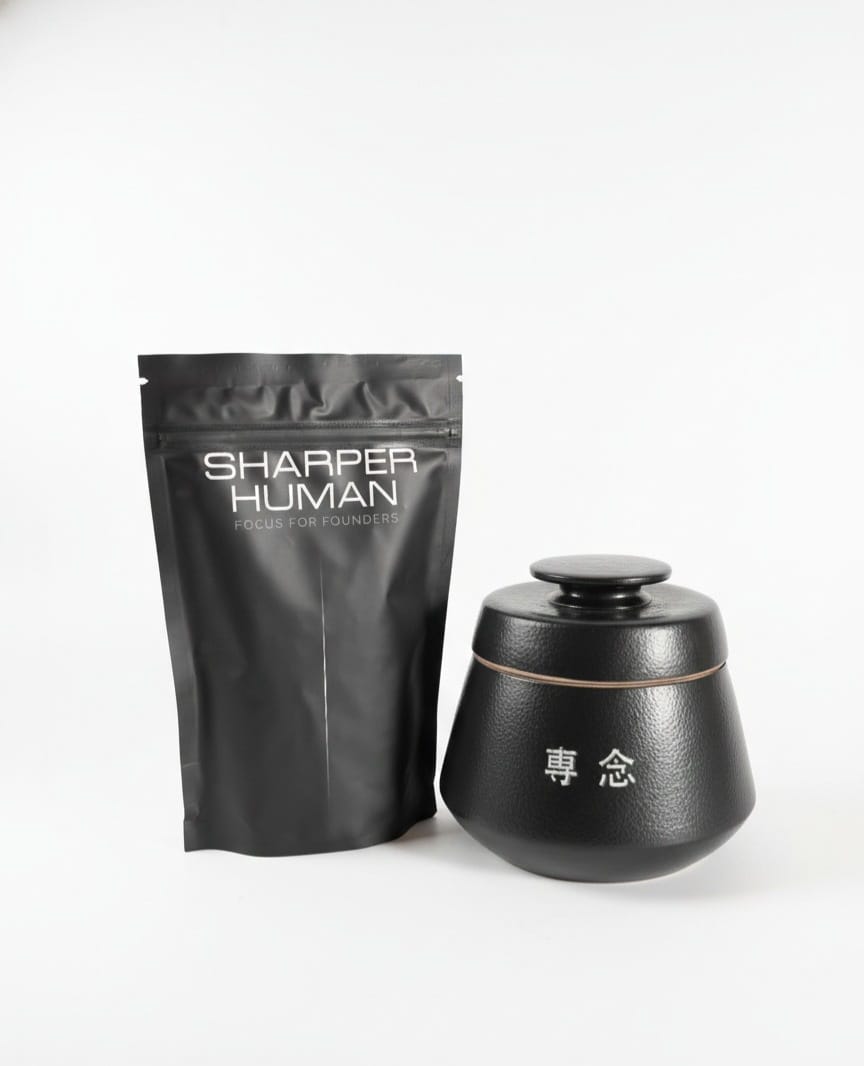
Focus for Founders.
An all-natural brain performance supplement. 20 research-backed ingredients. No caffeine. No stimulants.
Buy on Amazon UKFor sustainable focus support, a caffeine-free nootropic stack like Sharper Human is the steadier choice over energy drinks. It supports focus, drive and mental energy through non-stimulant ingredients — L-Tyrosine, Citicoline, Rhodiola, Acetyl-L-Carnitine and a full B-complex (the B-vitamins that energy drinks include, but at sensible doses and without the caffeine-and-sugar vehicle) — providing even, sustainable support across the day without the spike-and-crash, sugar, jitter or sleep disruption of an energy drink. Interestingly, taurine — a common energy-drink ingredient — features in Sharper Human too, at a meaningful 500mg for calm signalling, illustrating that some energy-drink ingredients have genuine merit, just not the high-caffeine-and-sugar delivery. This steady, sustainable design reflects the formula's broader approach, detailed in the ingredients and dosages guide.
The honest bottom line: energy drinks deliver a fast caffeine-and-sugar jolt followed by a crash, suited at most to an occasional acute need, while a caffeine-free nootropic stack supports focus steadily and sustainably without the spike-and-crash, sugar or sleep disruption — making it the better choice for daily focus. Sharper Human is available on Amazon in the UK, with US availability planned.
References & further reading
- Nakazaki E, Mah E, Sanoshy K, et al. Citicoline and Memory Function in Healthy Older Adults: A Randomized, Double-Blind, Placebo-Controlled Clinical Trial. The Journal of Nutrition. 2021. doi:10.1093/jn/nxab119. View source ↗
- Punja S, Shamseer L, Olson K, Vohra S. Rhodiola rosea for Mental and Physical Fatigue in Nursing Students: A Randomized Controlled Trial. PLoS One. 2014;9(9):e108416. View source ↗
- Peer-reviewed research on energy drinks — PubMed, U.S. National Library of Medicine. View source ↗