Phenibut is sometimes marketed in nootropic and "calm" circles as a relaxation or anti-anxiety aid, but it is one of the compounds where a clear safety warning matters far more than any discussion of benefits. It carries a genuine risk of dependence and dangerous withdrawal, its legal status is uncertain, and it is emphatically not a casual supplement to take for everyday calm. This is an honest, safety-focused look at phenibut and why Sharper Human — and any responsible formula — avoids it entirely. This article is informational and not medical advice, and it is not guidance on how to use phenibut; if you are using it and struggling to stop, please seek medical help.
Key Takeaways
What Phenibut Is
Phenibut is a synthetic compound developed decades ago, originally in the Soviet Union, as an anti-anxiety and calming agent, and it is still used medically in some countries. Chemically it resembles the neurotransmitter GABA with an added phenyl group that lets it cross into the brain, where it acts on the GABA system to produce calming, anxiety-reducing and sedative effects. Despite this clearly drug-like nature and mechanism, phenibut is sold in some markets as a dietary supplement or "nootropic" for relaxation, sleep and social ease. That gap — between what phenibut actually is (a centrally-acting, dependence-forming drug) and how it is sometimes marketed (a calm supplement) — is precisely what makes a clear safety warning necessary.
The Serious Risk: Dependence and Withdrawal
The single most important fact about phenibut is its potential for tolerance and dependence. With regular use, tolerance builds quickly, so users tend to need more for the same effect, and physical dependence can develop — sometimes faster than people expect. Stopping after a period of regular use can trigger a genuinely dangerous withdrawal syndrome, with symptoms that can include severe anxiety, agitation, insomnia, and in serious cases effects requiring medical attention. Reports of people struggling to stop phenibut, and of difficult withdrawals, are well documented in harm-reduction discussions. This is not the profile of a benign supplement; it is the profile of a dependence-forming drug, and it is the core reason phenibut should never be treated casually. Anyone who finds themselves dependent should seek medical help rather than stopping abruptly alone.
The Other Safety Concerns
Beyond dependence, phenibut carries further risks. As a central nervous system depressant, it is especially dangerous combined with alcohol or other depressants (including some medications), where the combined sedative effect can become hazardous. Overdose is a real risk, particularly as people escalate doses to overcome tolerance, and effects can include heavy sedation and impaired functioning. Dosing is also unpredictable from the grey-market products it is often sold through, where purity and accurate labelling cannot be assumed — compounding the danger. Taken together, these concerns place phenibut firmly outside the category of things a person should experiment with casually for "calm", and well outside anything that belongs in an everyday supplement.
The Uncertain Legal Status
Phenibut's legal status adds to the picture and varies considerably around the world. It is an approved medicine in a few countries, unregulated in some, and restricted or banned in others — and in several places its sale as a supplement sits in a contested grey area or has been the subject of regulatory action. This patchwork means that much of the phenibut sold online operates outside proper oversight, with the quality and safety problems that implies. For a responsible, transparent product sold openly to the public, a compound with this combination of serious safety risk and uncertain, inconsistent legality is simply a non-starter — there is no version of including it that would be safe or appropriate.
Safer Approaches to Calm
If the underlying goal is calm, relaxation or better stress management, there are far safer routes that do not carry dependence risk. Adaptogens like Rhodiola support resilience to stress without sedation or dependence, as the herbs and adaptogens guide covers; L-Theanine supports relaxed alertness gently; magnesium supports the nervous system and sleep; and the genuinely powerful levers — exercise, sleep, breathing practices and, where anxiety is significant, professional support — do far more than any quick chemical fix. The honest point is that there is no need to take on phenibut's serious risks for everyday calm, because safer, non-dependence-forming options exist. And clinical anxiety is a medical matter deserving proper care, not self-medication with a dependence-forming grey-market drug.
Why Sharper Human Avoids It Entirely
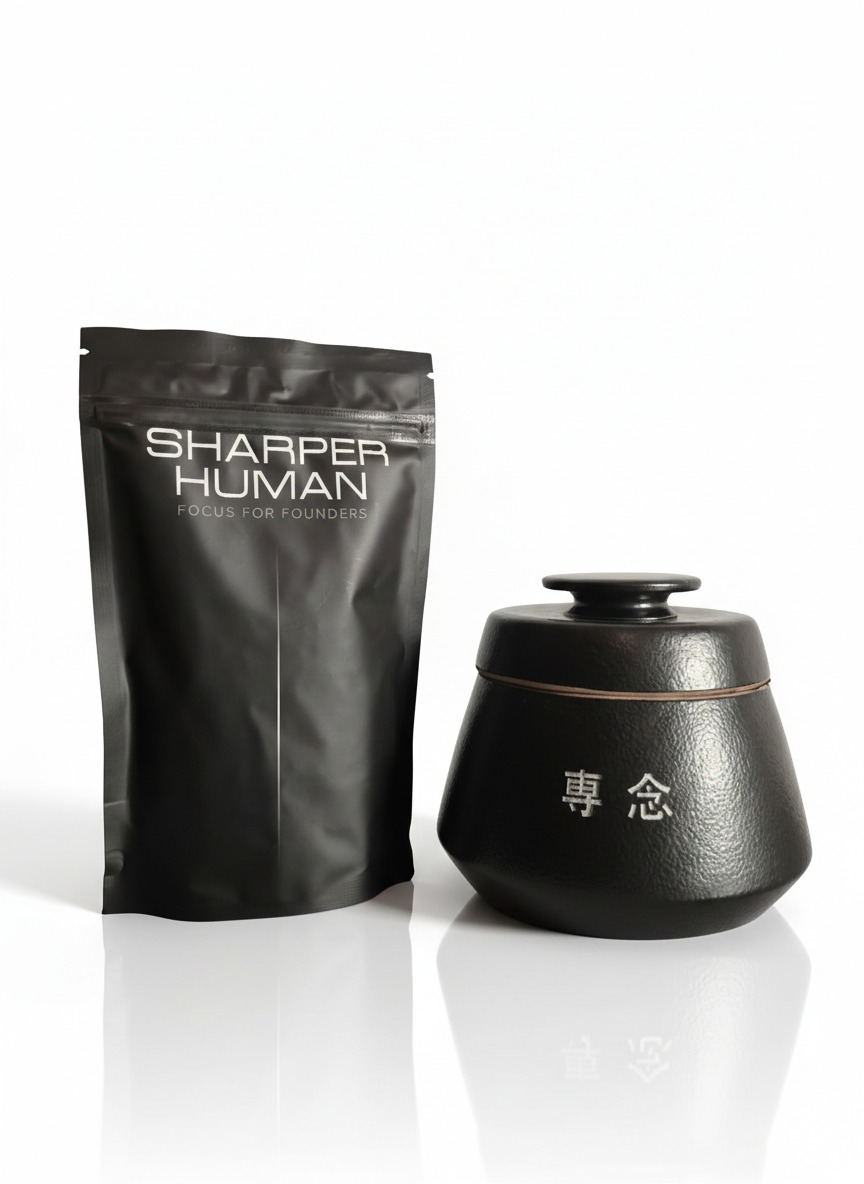
Focus for Founders.
An all-natural brain performance supplement. 20 research-backed ingredients. No caffeine. No stimulants.
Buy on Amazon UKSharper Human contains no phenibut, and it never would. Phenibut is a drug-like, dependence-forming compound with a dangerous withdrawal profile and uncertain legality — the antithesis of what a responsible supplement should contain. Sharper Human is built entirely from safe, well-evidenced natural ingredients suited to daily use, manufactured to UK BRC AA standards with every dose disclosed, and for stress resilience it uses the adaptogen Rhodiola (150mg) and Taurine (500mg) for calm signalling — safe, non-dependence-forming support. This is the clearest possible illustration of the safety-first principle behind all 20 ingredients: a product meant to be taken every day by a broad audience must be built from things that are genuinely safe to take every day. The nootropic safety guide covers the broader principles.
The honest bottom line: phenibut is not a casual nootropic — it is a dependence-forming, drug-like compound with a dangerous withdrawal syndrome and uncertain legality, and it should be treated with serious caution, not experimented with for everyday calm. Safer options exist, and anyone struggling with phenibut should seek medical help. Sharper Human avoids it entirely and is available on Amazon in the UK, with US availability planned.
References & further reading
- Punja S, Shamseer L, Olson K, Vohra S. Rhodiola rosea for Mental and Physical Fatigue in Nursing Students: A Randomized Controlled Trial. PLoS One. 2014;9(9):e108416. View source ↗
- Owen GN, Parnell H, De Bruin EA, Rycroft JA. The combined effects of L-theanine and caffeine on cognitive performance and mood. Nutritional Neuroscience. 2008;11(4):193–198. View source ↗
- Peer-reviewed research on phenibut risks safety — PubMed, U.S. National Library of Medicine. View source ↗