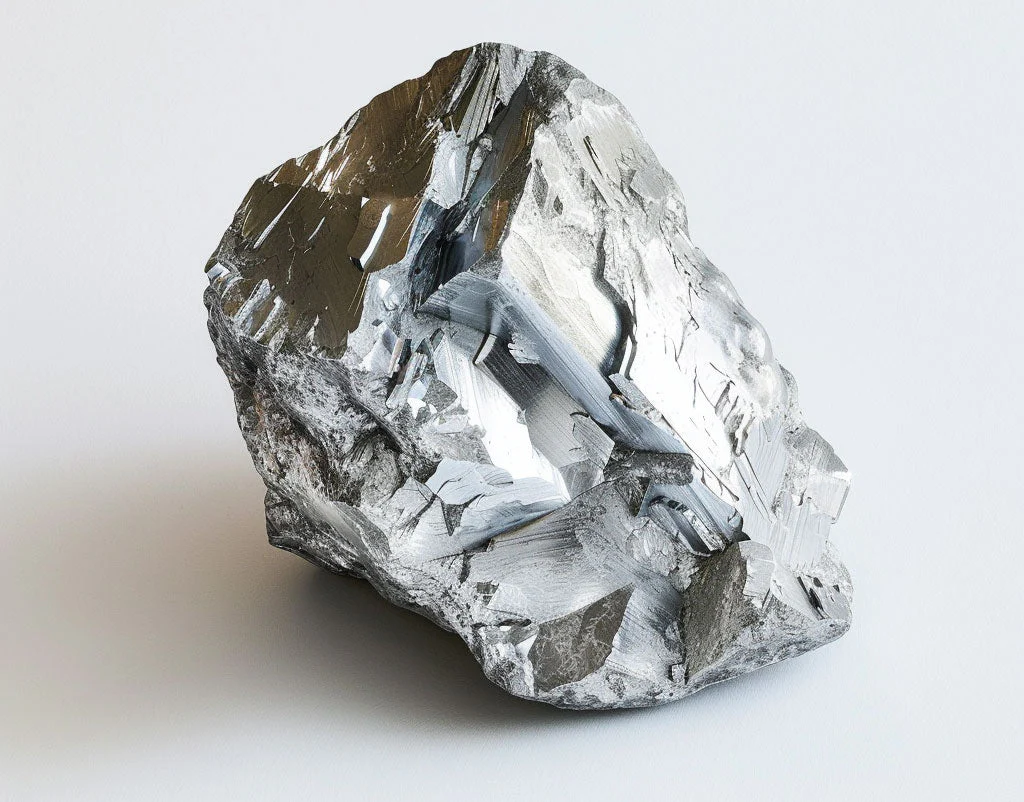
Zinc is an essential mineral best known for immune support, but it is also genuinely important for the brain — involved in neurotransmission, mood regulation and the everyday function of neurons. Like several essential nutrients, its relevance to cognition is about ensuring adequacy rather than megadosing, and mild shortfalls are more common than many people assume. This is an honest look at zinc and cognitive function, why deficiency matters, and why Sharper Human includes a sensible dose within its formula. This article is informational and not medical advice.
Key Takeaways
What Zinc Does in the Brain
Zinc is the second most abundant trace mineral in the body and is essential to hundreds of enzymes, but its role in the brain is more specific and interesting than its general reputation suggests. The brain contains relatively high concentrations of zinc, much of it in synaptic vesicles where it participates directly in neurotransmission and synaptic signalling — the communication between neurons that underlies learning and memory. Zinc is also involved in mood regulation and in the broader health and structure of brain cells, and of course in the immune function it is famous for. In short, it is a genuinely neurologically active mineral, not merely a general-health nutrient, which is why adequacy matters for cognition.
Why Mild Shortfalls Are Common
While severe zinc deficiency is uncommon in well-fed populations, milder shortfalls are more widespread than people assume, for several reasons. Zinc from plant foods is less well absorbed than from animal sources (plant compounds called phytates bind it), so vegetarians and vegans are at higher risk. Absorption also tends to decline with age, making older adults more vulnerable. High alcohol intake depletes zinc, intense exercise and stress can increase needs, and certain digestive conditions impair uptake. Because the symptoms of a mild shortfall are non-specific — including low mood, reduced immunity, and impaired taste or smell — they often go unrecognised. This makes zinc, like B12, a nutrient where quietly ensuring adequacy is sensible for many people.
The Cognitive and Mood Connection
The link between zinc and the brain is clearest, again, at the level of deficiency. Low zinc status has been associated with low mood and with impaired cognitive function, and given its direct role in synaptic signalling, that association has a clear mechanistic basis. As with other essential nutrients, the benefit lies in correcting or preventing a shortfall rather than in taking large excesses — someone mildly low may benefit from reaching adequacy, while loading far beyond requirements is neither necessary nor wise (and high-dose zinc carries its own problems, discussed below). The sensible goal is sufficiency, not maximisation, which is precisely how a supportive dose in a formula should be pitched.
Getting the Dose Right — and Not Overdoing It
Zinc is a nutrient where more is decidedly not better, which makes a sensible, moderate dose important. Very high zinc intakes over time can interfere with copper absorption (the two compete), potentially causing a copper deficiency, and can cause nausea and other issues acutely. This is why responsible formulation uses a supportive dose around the recommended intake rather than a mega-dose, and why stacking multiple high-zinc products is unwise. Dietary sources include meat, shellfish (oysters are exceptionally rich), seeds, nuts and legumes, covered in the guide to the best foods for brain health. For most people, a moderate top-up plus a varied diet comfortably covers needs without approaching problematic levels.
Zinc, Copper and the Immune Connection
Two further points round out a sensible understanding of zinc. The first is its well-known immune role: zinc is essential for normal immune function, which is why it appears in so many cold and immune-support products — and while that is separate from cognition, it is a genuine added benefit of maintaining adequate zinc, particularly through winter. The second is the balance with copper, which is worth restating because it shapes responsible dosing. Zinc and copper compete for absorption, so consistently high zinc intakes can, over time, lower copper levels and cause problems of their own. This is precisely why a moderate dose around the recommended intake — like the 15mg in a sensible formula — is the right approach, and why piling on high-dose standalone zinc on top of a multi-ingredient supplement is unwise. For most people, a moderate supportive dose plus a varied diet maintains healthy zinc status, supports both cognition and immunity, and stays well clear of the copper-interference territory that excessive supplementation risks. Balance, not maximisation, is the guiding principle.
Why Sharper Human Includes It
Focus for Founders.
An all-natural brain performance supplement. 20 research-backed ingredients. No caffeine. No stimulants.
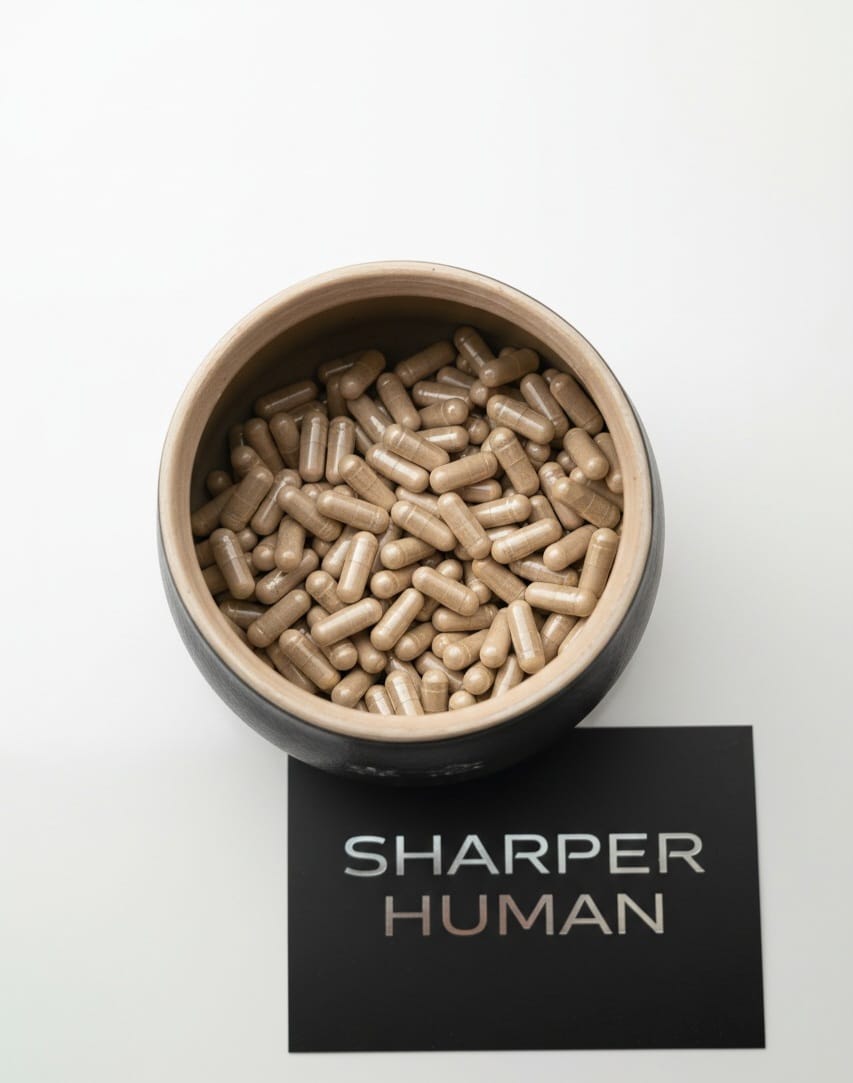
Buy on Amazon UKSharper Human includes zinc at 15mg — 150% of the NRV — a deliberately sensible, supportive dose rather than a mega-dose. The reasoning fits the formula's evidence-led approach: zinc is genuinely important for neurotransmission, mood and overall brain function, mild shortfalls are common in exactly the health-conscious and sometimes plant-leaning audience that uses nootropics, and a moderate dose supports adequacy without risking the copper-interference problems of excess. It sits alongside the formula's other foundational micronutrients, including a full B-complex with vitamin B12, supporting the brain's baseline function while the headline actives target focus and memory. This is the same fit-for-purpose, right-dose logic behind all 20 ingredients, detailed in the ingredients and dosages guide.
The honest bottom line: zinc is a genuinely neurologically active mineral, mild shortfalls are commoner than people think (especially for vegetarians, vegans and older adults), and a sensible supportive dose helps ensure adequacy — which is why Sharper Human includes 15mg. As with any nutrient, more is not better, and a moderate dose is the right approach. Sharper Human is available on Amazon in the UK for around £79 per month, with US availability planned.
References & further reading
- National Institutes of Health, Office of Dietary Supplements. Zinc — Fact Sheet for Health Professionals. View source ↗
- Peer-reviewed research on zinc cognitive function — PubMed, U.S. National Library of Medicine. View source ↗