Sometimes the most useful focus tools are not supplements at all but the apps and soundscapes that help you carve out distraction-free deep work. The best focus apps and music support concentration by managing distractions, structuring your time, and providing the right auditory backdrop for sustained attention. This is a practical guide to the tools and sounds that actually help — and a reminder that they work best layered on top of the fundamentals, the same way a focus supplement like Sharper Human is a support rather than a substitute for good habits.
Key Takeaways
Distraction-Blocking Apps
The single biggest enemy of focus is distraction, and a category of apps exists specifically to remove it. Tools like Freedom and Cold Turkey block distracting websites and apps across your devices for set periods, removing the temptation rather than relying on willpower. Forest takes a gentler, gamified approach — you grow a virtual tree that dies if you leave the app, turning focus into a small game. The shared principle is sound: making the distracting choice harder and the focused choice easier is far more effective than resolving to resist, because it changes the environment rather than depending on self-control in the moment.
Timing and Structure Apps
The second useful category structures your time. Pomodoro-technique timers break work into focused intervals (classically 25 minutes) separated by short breaks, which helps maintain quality and prevents the slow erosion of attention that comes with grinding endlessly. Time-blocking and task apps help you plan focused windows in advance and protect them. Some apps combine timing with ambient sound and distraction blocking into one focus session. The benefit is less about the specific app and more about the principle: externalising structure so you are not relying on in-the-moment decisions about when to focus and when to rest.
Focus Music and Soundscapes
Audio is a powerful and underrated focus tool. Dedicated focus-sound apps like Brain.fm and Endel generate music and soundscapes designed for concentration, often using steady, non-distracting patterns. Beyond purpose-built apps, many people find ambient genres, lo-fi, classical, or natural soundscapes like rain helpful, and simple background noise (white, pink or brown noise) can mask distracting environmental sound. The practical principles from research and experience: instrumental beats lyrical for focus, because words pull on the same language systems you are trying to use; consistency helps, since a steady backdrop is less distracting than constantly changing tracks; and moderate volume works better than loud.
What the Evidence Says About Music and Focus
The research on music and concentration is nuanced rather than a simple "music helps". Music with lyrics tends to impair performance on reading, writing and other language-based tasks, because it competes for verbal processing. Instrumental and ambient music is generally more focus-friendly, and for repetitive or routine tasks, music can lift mood and motivation. There is also individual variation — some people focus best in silence, others find a steady auditory backdrop genuinely helpful, particularly for blocking out a noisy environment. The sensible takeaway is to experiment: use instrumental or ambient sound, keep it steady, and notice honestly whether it helps your particular task or simply feels pleasant.
A Simple Focus Setup That Works
With so many tools available, it is easy to spend more time optimising a focus setup than actually focusing — so the most useful advice is to keep it simple. A reliable setup for most people combines just a few elements: put the phone in another room or out of reach, switch on a website blocker for the duration of the work block, set a timer for a focused interval (say 50 minutes) with a real break afterwards, and play steady instrumental or ambient sound if you find audio helps. That is genuinely enough — it removes the biggest distraction (the phone), blocks the digital temptations, structures the time, and provides a consistent backdrop, all without an elaborate stack of apps. The point of these tools is to reduce friction and protect attention, not to become a productivity hobby in themselves. Set the simple system up once, use it consistently, and let it fade into the background while you do the work — exactly the supporting role a focus supplement plays too.
How These Tools Fit With the Basics
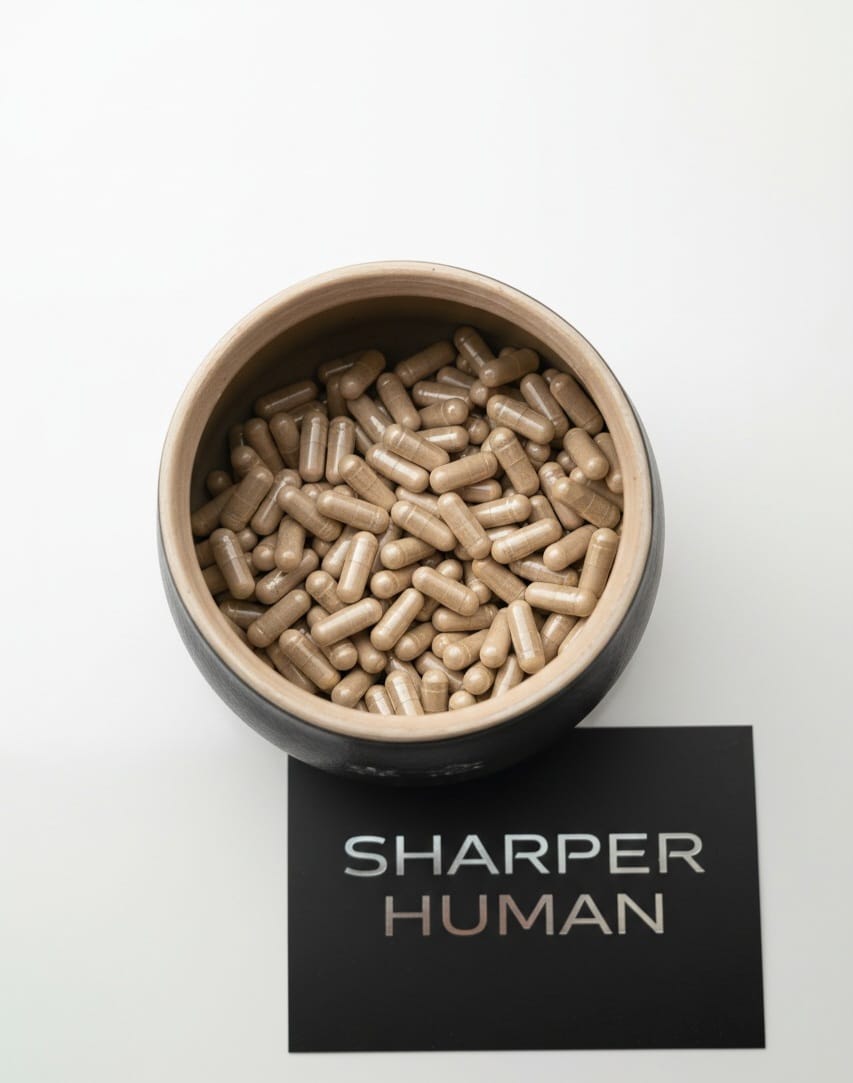
Focus for Founders.
An all-natural brain performance supplement. 20 research-backed ingredients. No caffeine. No stimulants.
Buy on Amazon UKFocus apps and music are genuinely useful, but they sit in the same place as a focus supplement: as a support layer on top of the fundamentals, not a replacement for them. No app overcomes a sleep-deprived brain, a chaotic environment or a habit of constant task-switching — sleep, a tidy workspace, single-tasking and regular breaks do the heavy lifting, and the tools reduce friction around them. A caffeine-free focus supplement like Sharper Human works the same way: its ingredients (L-Tyrosine at 350mg for drive, Citicoline at 300mg for attention, Rhodiola at 150mg for fatigue resistance) support the underlying cognition, but they complement good habits and good tools rather than substituting for them. The most focused setups combine all three — solid fundamentals, the right tools, and supportive cognition.
The honest bottom line: distraction blockers, timing tools and focus-friendly soundscapes are simple, effective ways to support concentration, and they cost little to try. Layered on good sleep and a distraction-free environment — and, if it helps, a transparent focus stack — they help you get more from your attention. Sharper Human is available on Amazon in the UK, with US availability planned.
References & further reading
- Nakazaki E, Mah E, Sanoshy K, et al. Citicoline and Memory Function in Healthy Older Adults: A Randomized, Double-Blind, Placebo-Controlled Clinical Trial. The Journal of Nutrition. 2021. doi:10.1093/jn/nxab119. View source ↗
- Punja S, Shamseer L, Olson K, Vohra S. Rhodiola rosea for Mental and Physical Fatigue in Nursing Students: A Randomized Controlled Trial. PLoS One. 2014;9(9):e108416. View source ↗
- Peer-reviewed research on focus apps music — PubMed, U.S. National Library of Medicine. View source ↗