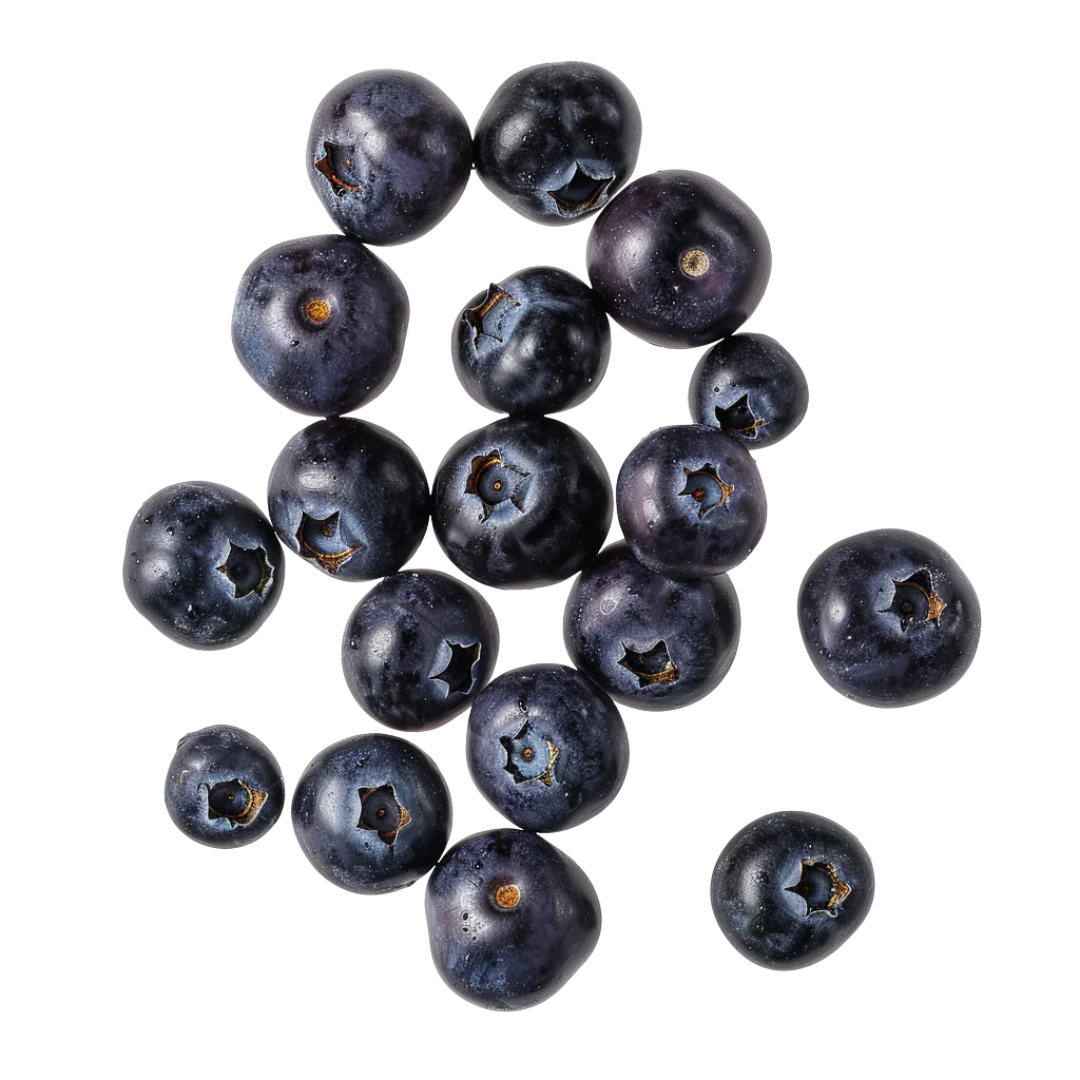
Bilberry — a close relative of the blueberry, deeply pigmented and rich in antioxidants — has a long history of traditional use for vision and circulation, and it sits alongside lutein in a cognitive formula as antioxidant and eye support. It is a genuinely interesting ingredient whose anthocyanin content links it to both eye health and the broader vascular and antioxidant support that underpins brain health. This is an honest look at what bilberry does, where its evidence stands, and why Sharper Human includes it. This article is informational and not medical advice.
Key Takeaways
What Bilberry Is
Bilberry (Vaccinium myrtillus) is a small, dark blue-purple berry native to Europe, closely related to the blueberry but typically more intensely pigmented throughout. That deep colour comes from anthocyanins — a class of flavonoid antioxidants — and bilberry is particularly rich in them, which is the basis of both its traditional uses and its modern supplement role. Concentrated bilberry extracts standardise this anthocyanin content, which is why a 15:1 extract delivers far more of the active compounds than the raw berry by weight. Anthocyanins are the same broad family of pigments studied in blueberries and other dark berries for their antioxidant and potential cognitive benefits, placing bilberry firmly in the "colourful antioxidant" category that nutrition research increasingly values.
The Traditional and Eye-Health Story
Bilberry has a long and rather romantic history in traditional use for vision — famously, though probably apocryphally, associated with wartime pilots said to eat bilberry jam to improve their night vision. Setting the folklore aside, bilberry's modern research interest centres on eye health and circulation, on the basis that its anthocyanins act as antioxidants in the eye and support the small blood vessels (including those serving the retina). The evidence is a mix of traditional use, mechanistic plausibility and some modern study, and it is fair to describe bilberry's eye and circulatory uses as promising and traditionally grounded rather than definitively proven. It pairs naturally with lutein, which has stronger, more specific macular-pigment evidence — the two offering complementary antioxidant and eye support.
The Antioxidant and Vascular Angle
Beyond the eyes specifically, bilberry's value lies in its broader antioxidant and vascular support, which matters for brain health. Anthocyanins are studied for combating oxidative stress and for supporting the health and function of blood vessels, and healthy circulation is foundational to a well-functioning brain — the brain depends entirely on good blood flow to deliver oxygen and nutrients. Anthocyanin-rich berries are also among the foods most consistently associated with brain health in dietary research. So bilberry's contribution to a cognitive formula is partly through this vascular and antioxidant route: supporting the circulatory and oxidative environment in which the brain operates, rather than acting as a direct "focus" ingredient. It is supportive infrastructure rather than a headline active, which is a legitimate and useful role.
The Brain Connection
The link between anthocyanins and the brain is an active and encouraging area of research. Studies on anthocyanin-rich berries have explored associations with cognitive performance and brain ageing, with some promising findings, plausibly via antioxidant effects and support for blood flow. As with several antioxidant ingredients, the honest framing is that this evidence is developing rather than conclusive, and bilberry should not be oversold as a cognitive enhancer. But the combination of recognised antioxidant action, traditional eye-health use, vascular support and a developing berry-cognition link makes it a sensible supporting ingredient in a brain-health-oriented formula — particularly alongside the better-established lutein.
Getting Anthocyanins From Food
Food-first applies here too, and happily anthocyanins are delicious to obtain. Dark berries — blueberries, blackberries, bilberries where available, and other deeply coloured fruits — are the richest dietary sources, and they belong in any brain-healthy diet, as the best foods for brain health guide covers. Regular berry consumption supplies anthocyanins in their natural whole-food matrix. A concentrated bilberry extract in a supplement is best understood as a standardised, year-round top-up of these antioxidants rather than a replacement for eating berries. As with lutein and the other supportive nutrients, the sensible principle is a colourful, antioxidant-rich diet first, with supplementation complementing it — the guide to lutein makes the same point for its partner carotenoid.
Why Sharper Human Includes It
Focus for Founders.
An all-natural brain performance supplement. 20 research-backed ingredients. No caffeine. No stimulants.
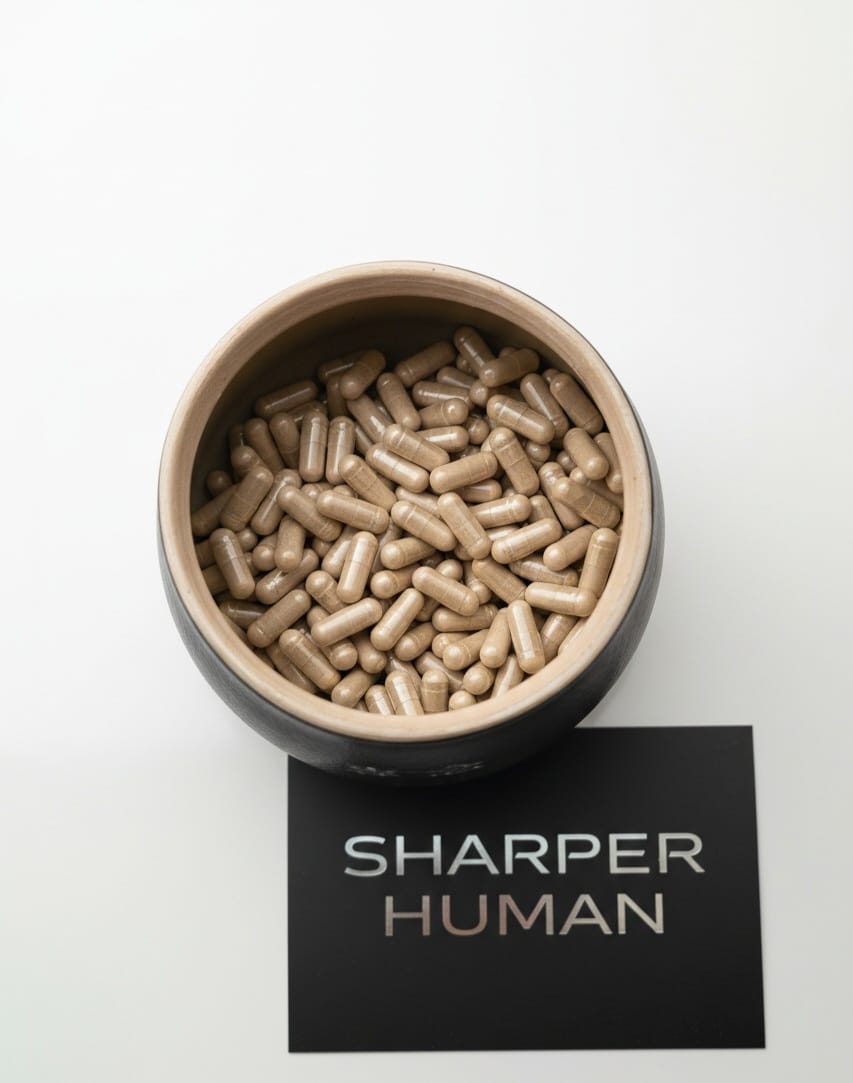
Buy on Amazon UKSharper Human includes bilberry at 120mg of a 15:1 extract, and the reasoning fits the formula's supportive, evidence-aware approach. Bilberry's anthocyanin antioxidants support the eyes and vascular health, complementing lutein (21mg) to provide rounded eye and antioxidant support for a screen-heavy audience, while contributing to the antioxidant and circulatory environment that underpins brain health. It is a supporting ingredient rather than a headline active, included to round out the formula's brain-and-eye support alongside the cognitive heavyweights like Lion's Mane, Citicoline and Bacopa. This is the same fit-for-purpose logic behind all 20 ingredients, detailed in the ingredients and dosages guide. Bilberry and lutein together reflect attention to the eyes and antioxidant support that focus-oriented, screen-using people genuinely benefit from.
The honest bottom line: bilberry is an anthocyanin-rich berry with traditional eye-health use, recognised antioxidant action, vascular support and a developing brain connection — which is why Sharper Human includes it alongside lutein. It supports the eyes and the antioxidant environment of the brain, complementing a berry-rich diet. Sharper Human is available on Amazon in the UK for around £79 per month, with US availability planned.
References & further reading
- Nakazaki E, Mah E, Sanoshy K, et al. Citicoline and Memory Function in Healthy Older Adults: A Randomized, Double-Blind, Placebo-Controlled Clinical Trial. The Journal of Nutrition. 2021. doi:10.1093/jn/nxab119. View source ↗
- Kongkeaw C, Dilokthornsakul P, Thanarangsarit P, et al. Meta-analysis of randomized controlled trials on cognitive effects of Bacopa monnieri extract. Journal of Ethnopharmacology. 2014;151(1):528–535. View source ↗
- Docherty S, Doughty FL, Smith EF. The Acute and Chronic Effects of Lion’s Mane Mushroom Supplementation on Cognitive Function, Stress and Mood in Young Adults. Nutrients. 2023;15. View source ↗
- Peer-reviewed research on bilberry eyes cognition — PubMed, U.S. National Library of Medicine. View source ↗