
Coffee and green tea are the world's two most popular focus drinks, both delivering caffeine but in genuinely different ways — and the difference, particularly green tea's L-theanine content, makes for an interesting comparison. Understanding how they differ helps you choose, and clarifies how each fits alongside a caffeine-free nootropic approach. This is an honest comparison of coffee versus green tea for focus: how their caffeine differs, the role of L-theanine, the calmer focus green tea can offer, and where each fits. This article is informational and not medical advice.
Key Takeaways
Two Different Caffeine Vehicles
Coffee and green tea both deliver caffeine, the world's most popular cognitive stimulant, but they do so quite differently. The most obvious difference is amount: coffee typically contains considerably more caffeine per serving than green tea (often roughly two to three times as much, though this varies by preparation), so coffee delivers a stronger, faster caffeine hit, while green tea provides a gentler, lower dose. But the more interesting difference is what accompanies the caffeine. Green tea contains L-theanine, an amino acid not present in meaningful amounts in coffee, which significantly changes the experience. So while both are "caffeine drinks", they offer different profiles: coffee a stronger caffeine jolt, green tea a milder dose paired with L-theanine. Understanding these differences — in caffeine amount and in the presence of L-theanine — is the key to comparing them for focus and choosing which suits you.
Coffee: the Stronger Hit
Coffee's appeal for focus is its potency and speed: with a higher caffeine content, it delivers a stronger, faster boost in alertness and energy, which many people find more noticeably effective for waking up and powering through. Caffeine genuinely works for alertness, and coffee provides it efficiently. The trade-off is that coffee's stronger caffeine hit also carries more potential for caffeine's downsides — jitteriness, a racing feeling, and a more pronounced crash as it wears off, particularly at higher intakes — and, taken later in the day, more sleep disruption given the larger dose. Coffee also has its own beneficial compounds (antioxidants), and is a genuinely reasonable focus aid used sensibly. But its profile is the stronger, more stimulating, more jitter-and-crash-prone of the two — well-suited to those who want a robust alertness boost and tolerate caffeine well, as the guide to caffeine as a nootropic covers, but more likely to tip into the jittery, crash-prone territory than green tea.
Green Tea: the L-Theanine Advantage
Green tea's distinctive advantage for focus is L-theanine. This amino acid promotes a state of relaxed alertness — calm but focused — and crucially, it takes the edge off caffeine's stimulating effects, reducing the jitter and producing a smoother experience. The combination of caffeine and L-theanine (both present in green tea) is genuinely well-regarded for focus: studies suggest the pairing produces a calmer, more sustained, more focused state than caffeine alone, with the L-theanine smoothing out the caffeine. So green tea offers a gentler, calmer, more balanced focus — less of a jolt than coffee, but smoother and with less jitter and crash. This makes green tea appealing for those who find coffee too stimulating or jittery, or who want a calmer, more sustained focus, as the guide to L-theanine covers. The L-theanine content is green tea's key differentiator, transforming its lower caffeine dose into a notably smooth, calm focus.
Which Is Better for Focus?
The honest answer to which is better is that it depends on what you want, since they offer different profiles. If you want a stronger, faster alertness boost and tolerate caffeine well, coffee delivers more potently. If you prefer a calmer, smoother, more sustained focus with less jitter and crash — or find coffee too stimulating — green tea's caffeine-plus-L-theanine combination is the better fit. Neither is simply superior; it is a matter of preference and sensitivity. Many people use both at different times (coffee for a morning boost, green tea for calmer afternoon focus, say). For focus quality specifically, green tea's smoother, calmer profile has genuine appeal, while coffee's strength suits those wanting a robust lift. Factors like caffeine sensitivity, the tendency to jitter or crash, and the time of day all influence which suits you better — making this a personal choice rather than a clear winner, with both being reasonable focus drinks used sensibly.
How Both Fit With a Caffeine-Free Approach
An important point for both drinks is how they fit with a caffeine-free nootropic approach — and the answer is that they complement it well. A caffeine-free nootropic supports focus steadily through non-stimulant ingredients, which means it does not provide caffeine itself but supports the underlying cognitive systems. This leaves you free to add whatever caffeine you choose — a coffee, a green tea, or neither — on top, controlling your own intake rather than relying on caffeine for focus. Someone using a caffeine-free base might enjoy a morning coffee and an afternoon green tea for the caffeine they want, while the stimulant-free formula supports focus throughout without needing more caffeine to prop it up. This combination — steady caffeine-free support plus your own sensible, chosen caffeine from coffee or green tea — offers control and avoids over-reliance on caffeine, as the guide to caffeine alternatives covers. Green tea, with its gentler profile, pairs particularly naturally with this calm, controlled approach.
Where Sharper Human Fits
Focus for Founders.
An all-natural brain performance supplement. 20 research-backed ingredients. No caffeine. No stimulants.
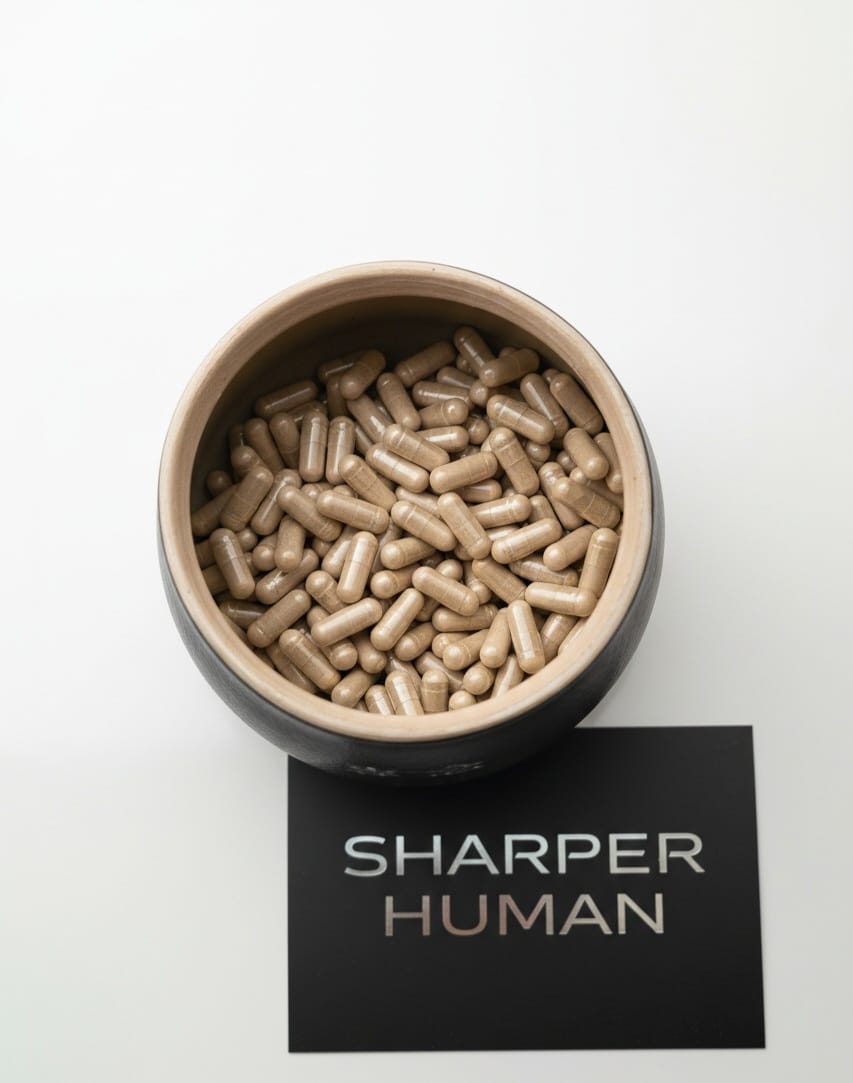
Buy on Amazon UKSharper Human, being entirely caffeine-free, fits naturally alongside whichever caffeine drink you prefer — or none. It supports focus through non-stimulant ingredients — Citicoline, L-Tyrosine, Bacopa, Lion's Mane, Rhodiola and more — providing steady cognitive support without any caffeine, which means you control your caffeine entirely: enjoy a coffee for a stronger morning lift, a green tea for calmer focus, both, or neither, with the formula supporting focus throughout regardless. Interestingly, L-theanine — the very compound that gives green tea its calm-focus edge — reflects the kind of calm-supporting approach Sharper Human takes through ingredients like Taurine, illustrating the shared logic of calm, smooth focus. This caffeine-free design gives you the flexibility to add your preferred caffeine drink sensibly on top, as detailed in the ingredients and dosages guide. The result is steady focus support plus full control over your coffee or green tea.
The honest bottom line: coffee delivers a stronger, faster caffeine hit (with more jitter/crash potential), while green tea offers a gentler dose plus L-theanine for calmer, smoother focus — neither simply better, it depends on your preference and caffeine sensitivity. A caffeine-free formula like Sharper Human supports focus steadily while letting you add your chosen coffee or green tea on top. Sharper Human is available on Amazon in the UK, with US availability planned.
References & further reading
- Nakazaki E, Mah E, Sanoshy K, et al. Citicoline and Memory Function in Healthy Older Adults: A Randomized, Double-Blind, Placebo-Controlled Clinical Trial. The Journal of Nutrition. 2021. doi:10.1093/jn/nxab119. View source ↗
- Kongkeaw C, Dilokthornsakul P, Thanarangsarit P, et al. Meta-analysis of randomized controlled trials on cognitive effects of Bacopa monnieri extract. Journal of Ethnopharmacology. 2014;151(1):528–535. View source ↗
- Punja S, Shamseer L, Olson K, Vohra S. Rhodiola rosea for Mental and Physical Fatigue in Nursing Students: A Randomized Controlled Trial. PLoS One. 2014;9(9):e108416. View source ↗
- Peer-reviewed research on coffee green tea — PubMed, U.S. National Library of Medicine. View source ↗