Methylene blue has become a trendy "biohacker" compound, promoted for brain energy and cognition — a striking blue synthetic substance with a genuinely interesting mitochondrial mechanism. But it is fundamentally a drug, not a casual supplement, with serious dose-sensitivity and a dangerous interaction profile that the hype often glosses over. This is an honest look at methylene blue: the hype, the genuine science, the serious cautions, and why Sharper Human uses safe, well-evidenced ingredients instead. This article is informational and not medical advice; methylene blue's interactions make this caution especially important.
Key Takeaways
What Methylene Blue Is
Methylene blue is a synthetic compound with a long and varied history — originally developed as a dye, it has genuine established medical uses (such as treating a specific blood condition, methaemoglobinaemia, and other clinical applications), where it is used as a pharmaceutical under medical supervision. More recently, it has become a trendy compound in biohacking and nootropic circles, promoted at low doses for brain energy, cognition and "anti-ageing", largely on the basis of its effects on mitochondria (the cell's energy producers). Its vivid blue colour (which famously stains everything, including the mouth and urine) adds to its distinctive, almost theatrical reputation. The crucial framing, which the trendy promotion often blurs, is that methylene blue is fundamentally a drug — a pharmacologically active synthetic compound with medical uses and a real risk profile — not a gentle dietary supplement, which is essential context for assessing the hype around it.
The Genuine Mechanism and Science
Methylene blue's interest is not baseless — it has a genuinely intriguing mechanism. At low doses, methylene blue can act on the mitochondria, supporting aspects of the electron transport chain and cellular energy production, and it has antioxidant-related properties in certain contexts. This mitochondrial-energy mechanism is the basis of interest in methylene blue for brain energy and cognition, since the brain is energy-hungry and mitochondrial function is relevant to cognition and brain ageing. There is some preclinical research and early-stage interest exploring methylene blue and cognition, making the science genuinely interesting rather than pure hype. However, two crucial caveats apply: the human evidence for cognitive enhancement in healthy people is early and limited (much is preclinical), and — more importantly — this genuine mechanistic interest must be weighed against methylene blue's serious cautions, which the hype tends to underplay. The science is interesting; the safety profile is the problem.
The Dose-Sensitivity Problem
A critical and often-underappreciated point about methylene blue is its dose-sensitivity: it has a "hormetic" or biphasic dose-response, meaning low doses may have beneficial effects while higher doses can have the opposite, potentially harmful effects. This is genuinely important — it is not a substance where "more" is safer or better; the beneficial window is narrow and at low doses, and exceeding it can reverse the effects and cause harm. This dose-sensitivity makes methylene blue particularly risky for casual self-experimentation, where getting the dose wrong is easy and potentially harmful, and where product concentration and accurate dosing matter greatly. Combined with the fact that it is a potent compound (and that pharmaceutical-grade versus other-grade methylene blue is a real quality concern), this narrow therapeutic window is a serious practical hazard. The dose-sensitivity alone makes methylene blue a substance requiring real care and knowledge, not casual experimentation — quite apart from the interaction danger below.
The Serious Interaction Danger
The most serious safety concern with methylene blue is a dangerous drug interaction: methylene blue has effects on serotonin (it acts as a monoamine oxidase inhibitor, affecting serotonin metabolism), which means combining it with serotonergic medications — particularly antidepressants like SSRIs and others — can cause serotonin syndrome, a potentially life-threatening condition from excessive serotonin. This is a genuine, serious, well-documented interaction (there have been clinical warnings about methylene blue and serotonergic drugs), and it makes methylene blue genuinely dangerous for anyone taking antidepressants or other serotonergic medications. This interaction danger — shared in nature with other serotonin-affecting compounds like 5-HTP but particularly serious here — is a critical reason methylene blue is not a casual supplement. Anyone taking antidepressants or other relevant medications must not use methylene blue, and the serious nature of this interaction underscores that methylene blue is a drug requiring real caution and medical awareness, as the guide to nootropic safety emphasises.
Why the Hype Outruns Sensible Use
Methylene blue exemplifies how biohacking hype can outrun sensible, safe use. The trendy promotion of methylene blue — often emphasising the intriguing mechanism and dramatic blue colour while underplaying the dose-sensitivity and serious interactions — can lead people to casually self-experiment with what is genuinely a drug with a narrow therapeutic window and dangerous interactions. The honest framing is that methylene blue is fundamentally a pharmaceutical compound, interesting but requiring real knowledge, careful dosing, quality sourcing, and awareness of serious interactions — not a casual supplement to try on a whim based on social-media enthusiasm. For the vast majority of people seeking cognitive or brain-energy support, methylene blue's combination of early evidence, dose-sensitivity and dangerous interactions makes it an unwise choice relative to safe, well-evidenced alternatives. The gap between the hype and the sensible, safe reality is wide, and the cautions genuinely matter.
Why Sharper Human Uses Safe, Well-Evidenced Ingredients
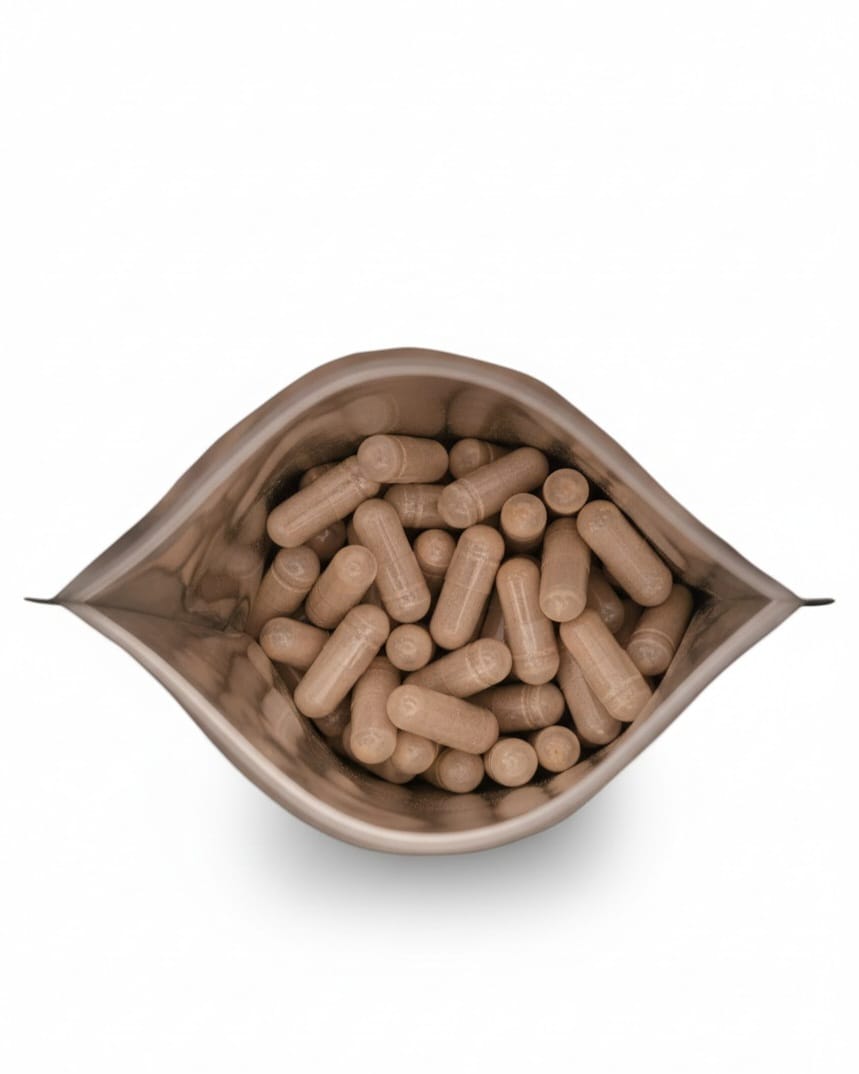
Focus for Founders.
An all-natural brain performance supplement. 20 research-backed ingredients. No caffeine. No stimulants.
Buy on Amazon UKSharper Human does not contain methylene blue, and the reasoning is clear: it is a drug-like synthetic compound with serious dose-sensitivity and dangerous interactions (particularly with serotonergic medications), making it entirely unsuitable for a broadly-used daily supplement taken by people who may be on various medications. Sharper Human is built from safe, well-evidenced natural ingredients suitable for daily use — and for the brain-energy support that draws people to methylene blue, the formula uses safe, established ingredients like Acetyl-L-Carnitine (supporting cellular energy metabolism) and the B-complex (cofactors in energy production), without any drug-like risks or interaction dangers. This focus on safe, well-evidenced ingredients suitable for a broad audience — rather than a trendy drug-like compound with serious cautions — reflects the responsible, fit-for-purpose logic behind all 20 ingredients, detailed in the ingredients and dosages guide. Methylene blue is a genuinely interesting compound — but as a drug with serious cautions, it has no place in a casual daily supplement.
The honest bottom line: methylene blue is a trendy synthetic compound with a genuinely interesting mitochondrial mechanism, but it is fundamentally a drug with serious dose-sensitivity and a dangerous interaction with serotonergic medications — making casual use unwise. Sharper Human supports brain energy through safe, well-evidenced ingredients like Acetyl-L-Carnitine instead, and is available on Amazon in the UK, with US availability planned.
References & further reading
- Peer-reviewed research on methylene blue brain — PubMed, U.S. National Library of Medicine. View source ↗
- Suliman NA, Mat Taib CN, Mohd Moklas MA, et al. Establishing Natural Nootropics: Recent Molecular Enhancement Influenced by Natural Nootropic. Evidence-Based Complementary and Alternative Medicine. 2016. View source ↗