One of the most fascinating areas of modern neuroscience is the "gut-brain axis" — the growing understanding that the gut and brain are in constant two-way communication, and that gut health can influence mood, focus and cognition. It is genuinely exciting science, though also an area where the hype sometimes outruns the evidence. This is an honest explainer on the gut-brain axis: how the gut and brain communicate, why it matters for focus and mood, what the evidence does and doesn't yet show, and how it fits with cognitive supplementation. This article is informational and not medical advice.
Key Takeaways
What the Gut-Brain Axis Is
The gut-brain axis refers to the constant, two-way communication between the gastrointestinal system and the brain — a connection far more significant than once appreciated. The gut is sometimes called the "second brain" because it contains a vast network of neurons (the enteric nervous system) and produces many neurotransmitters, and it houses the gut microbiome — trillions of microorganisms that play roles in digestion, immunity and, it increasingly appears, communication with the brain. This axis means the state of the gut can influence the brain, and vice versa. The growing scientific interest in this connection has reframed gut health as relevant not just to digestion but to mood, stress and cognition — a genuinely important shift in understanding. Grasping how this communication works, and what it does and does not yet support, is key to placing gut health sensibly within the broader picture of brain health and cognitive support.
How the Gut and Brain Communicate
The gut and brain communicate through several genuine, well-recognised routes. The most direct is the vagus nerve — a major nerve providing a physical communication line between the gut and brain, carrying signals in both directions. There is also chemical communication: the gut and its microbiome produce and influence neurotransmitters and other compounds, and notably a large proportion of the body's serotonin (a neurotransmitter involved in mood) is produced in the gut. The immune system provides another route, as much of it resides in the gut and inflammation can affect the brain. And gut microbes produce metabolites (such as short-chain fatty acids) that can have wider effects. These multiple communication channels — neural, chemical, immune and metabolic — give the gut genuine means to influence the brain, providing a real mechanistic basis for the gut-brain axis rather than mere speculation. This is established physiology, even as the downstream cognitive effects remain an active research area.
Why It Matters for Mood and Focus
The gut-brain axis matters for mood and focus because of these communication routes. Given that the gut influences neurotransmitters (including serotonin), the immune system and inflammation, and signals to the brain via the vagus nerve, it is plausible — and increasingly supported — that gut health affects mood, stress responses and aspects of cognition. There is growing research linking the gut microbiome to mood and, to a lesser but emerging extent, cognitive function, and the everyday experience of the "gut feeling" or of stress affecting the stomach reflects this bidirectional link. For focus specifically, the connections are more indirect (via mood, inflammation and overall brain environment) than a direct "gut ingredient improves focus" effect, but the broader point stands: a healthy gut supports a healthy brain environment, which underpins mood and cognition. This makes gut health a genuine, if often-overlooked, part of the foundation for focus and mental wellbeing.
What the Evidence Does and Doesn't Show
Honesty is important here, because the gut-brain axis is an area where enthusiasm sometimes outruns evidence. What is well-established: the communication routes are real, the gut produces and influences neurotransmitters, and there are genuine links between gut health and mood. What is promising but still developing: the specifics of how the microbiome influences cognition, which particular bacteria or interventions matter, and whether targeted manipulation (specific probiotics, for instance) reliably improves mood or cognition in people. Much of the most striking research is early, in animals, or preliminary in humans. So the honest position is that the gut-brain axis is a genuinely important and exciting field with a real basis, but one where firm, specific conclusions — especially about using particular supplements to enhance cognition via the gut — are often premature. Supporting general gut health is well-justified; claiming a specific "gut nootropic" effect is, for now, ahead of the evidence.
Supporting Gut Health for Brain Health
Given the gut-brain connection, supporting gut health is a sensible, foundational part of brain health — and the most evidence-based ways to do so are dietary and lifestyle-based rather than exotic. A diverse, fibre-rich diet with plenty of plants feeds a healthy microbiome; fermented foods (yoghurt, kefir, sauerkraut) provide beneficial bacteria; limiting heavily processed foods supports gut health; and managing stress, sleeping well and exercising all benefit the gut-brain axis, since the communication runs both ways. These overlap substantially with general healthy-eating and lifestyle advice, as the best foods for brain health guide covers — which is reassuring, since it means supporting your gut for brain health is largely the same as eating and living well overall. This foundational approach is far better supported than relying on specific "gut-brain" supplements, and it forms part of the broader lifestyle foundation that underpins cognition, alongside sleep and exercise.
How This Fits With Cognitive Supplementation
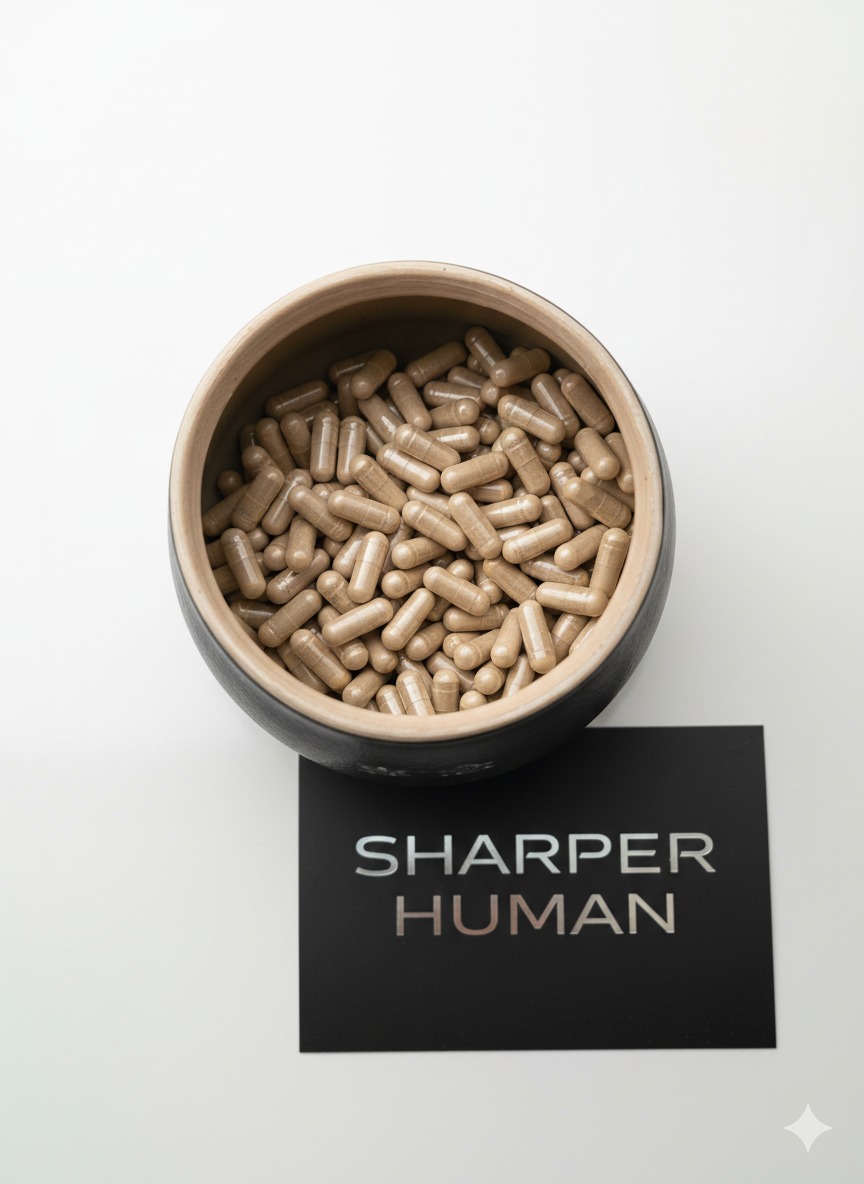
Focus for Founders.
An all-natural brain performance supplement. 20 research-backed ingredients. No caffeine. No stimulants.
Buy on Amazon UKThe gut-brain axis reinforces a recurring theme: cognitive supplements work alongside, not instead of, good overall health — including gut health. A focus formula supports cognition directly through its ingredients, while gut health (via diet and lifestyle) supports the broader brain environment that underpins mood and cognition; the two are complementary layers, not alternatives. Sharper Human supports cognition directly through well-evidenced ingredients like Citicoline, Bacopa, L-Tyrosine and Lion's Mane — and it is honest about its scope: it is a cognitive formula, not a probiotic or gut product, and it complements (rather than replaces) the foundational gut-and-overall-health practices that the gut-brain axis highlights. For the broader ingredient picture, the guide to the best nootropics for brain health is a useful companion. The sensible approach combines direct cognitive support with a gut-supportive, healthy diet and lifestyle — covering both the targeted and foundational sides of brain health.
The honest bottom line: the gut-brain axis is a genuine, exciting field — the gut and brain communicate via nerves, chemicals and the immune system, and gut health influences mood and cognition — though specific "gut nootropic" claims often outrun the evidence. Supporting gut health through diet and lifestyle is a foundational complement to cognitive supplements like Sharper Human, which is available on Amazon in the UK, with US availability planned.
References & further reading
- Nakazaki E, Mah E, Sanoshy K, et al. Citicoline and Memory Function in Healthy Older Adults: A Randomized, Double-Blind, Placebo-Controlled Clinical Trial. The Journal of Nutrition. 2021. doi:10.1093/jn/nxab119. View source ↗
- Kongkeaw C, Dilokthornsakul P, Thanarangsarit P, et al. Meta-analysis of randomized controlled trials on cognitive effects of Bacopa monnieri extract. Journal of Ethnopharmacology. 2014;151(1):528–535. View source ↗
- Docherty S, Doughty FL, Smith EF. The Acute and Chronic Effects of Lion’s Mane Mushroom Supplementation on Cognitive Function, Stress and Mood in Young Adults. Nutrients. 2023;15. View source ↗
- Peer-reviewed research on gut brain axis — PubMed, U.S. National Library of Medicine. View source ↗