SAM-e is a compound the body makes itself, central to a fundamental process called methylation, and it has genuine evidence for supporting mood — placing it among the better-evidenced mood supplements. But like other mood-affecting compounds, it sits in the mood-and-clinical domain rather than focus, and it carries important cautions around interactions and certain conditions. This is an honest look at what SAM-e does, where the evidence stands, the cautions that matter, and why Sharper Human, a focus formula, leaves it out. This article is informational and not medical advice; SAM-e's interactions make professional guidance especially important.
Key Takeaways
What SAM-e Is
SAM-e (S-adenosylmethionine) is a compound produced naturally in the body from the amino acid methionine, and it plays a central role in a fundamental biochemical process called methylation — the transfer of methyl groups, which is involved in countless reactions including the production of neurotransmitters, the regulation of genes, and the metabolism of various compounds. Because methylation is so foundational, SAM-e touches many systems. As a supplement, SAM-e is used mainly in two areas with genuine evidence: mood (particularly depression) and joint health (osteoarthritis). It is a popular supplement in some countries and is available over the counter in many places (it is a prescription compound in some). SAM-e is a genuine, biologically important compound — but its main supplemental uses are mood and joints, not focus, and it comes with cautions that make it more than a casual supplement.
The Methylation Connection
SAM-e's importance stems from methylation, and this is where any cognitive or mood relevance originates. Methylation is involved in producing and regulating neurotransmitters — including those involved in mood, like serotonin, dopamine and noradrenaline — so SAM-e, as a key methyl donor, has a plausible role in supporting the neurotransmitter systems underlying mood. This methylation-and-neurotransmitter connection is the basis of SAM-e's mood evidence. It also links SAM-e to the broader methylation-support picture that includes certain B-vitamins (folate, B12, B6), which are cofactors in methylation cycles — a reason these nutrients matter for mood and brain function. So SAM-e sits within an important methylation framework relevant to brain chemistry. However, the practical supplemental application of SAM-e has centred on mood and joints specifically, rather than on general cognitive enhancement or focus, which shapes where it fits.
The Genuine Mood Evidence
SAM-e has genuine evidence for supporting mood, particularly mild-to-moderate depression — it is among the better-evidenced mood supplements, with research suggesting it can be helpful for depression, sometimes compared to standard treatments, and it is used for this purpose in various settings. This places SAM-e, like St John's Wort, in the relatively small group of supplements with real evidence for a specific clinical use. However, the same crucial caveats apply. First, this is evidence for mood and depression — a clinical area — not for general focus or cognitive enhancement in healthy people. Second, and importantly, depression is a serious medical condition that warrants professional assessment and care; SAM-e is not something to self-prescribe for depression, particularly given its cautions. So while SAM-e's mood evidence is genuine and noteworthy, it firmly locates SAM-e in the mood-and-clinical domain, distinct from a focus supplement, and subject to medical guidance.
The Important Cautions
SAM-e carries cautions that are important to state plainly. First, interactions: because SAM-e can affect serotonin and other neurotransmitters, it should not be combined with antidepressants (SSRIs and others) or other serotonergic medications without medical supervision, owing to the risk of serotonin syndrome — the same serious interaction concern that applies to other serotonin-affecting mood compounds. Second, and particularly importantly, SAM-e carries a specific caution in people with bipolar disorder: because it can affect mood, there is concern it could potentially trigger a switch toward mania in susceptible individuals, so it should be used only under medical guidance in anyone with bipolar disorder or a history of mania. These cautions — serotonergic interactions and the bipolar concern — mean SAM-e is not a casual supplement, and they underscore that mood is a clinical area best navigated with professional input, as the guide to nootropic safety emphasises.
Mood Is a Different Goal From Focus
Beyond the cautions, SAM-e — like tryptophan, 5-HTP and St John's Wort — illustrates that mood support is a different goal from focus support, served by different compounds and subject to different (clinical) considerations. SAM-e's evidence and use are in mood and joints, not in supporting daytime focus and cognition in healthy people. Conflating mood support with focus support leads to inappropriate use and mismatched expectations. For focus, quite different ingredients are relevant. And for mood specifically, the honest guidance is that significant or persistent low mood is a medical matter deserving professional assessment — not self-treatment with a compound that carries interaction and bipolar cautions. The powerful levers for mood, alongside professional care, remain exercise, sleep, social connection and addressing underlying causes, as the guides to 5-HTP and St John's Wort also reflect for mood-affecting compounds.
Why Sharper Human Is a Focus Formula
Focus for Founders.
An all-natural brain performance supplement. 20 research-backed ingredients. No caffeine. No stimulants.
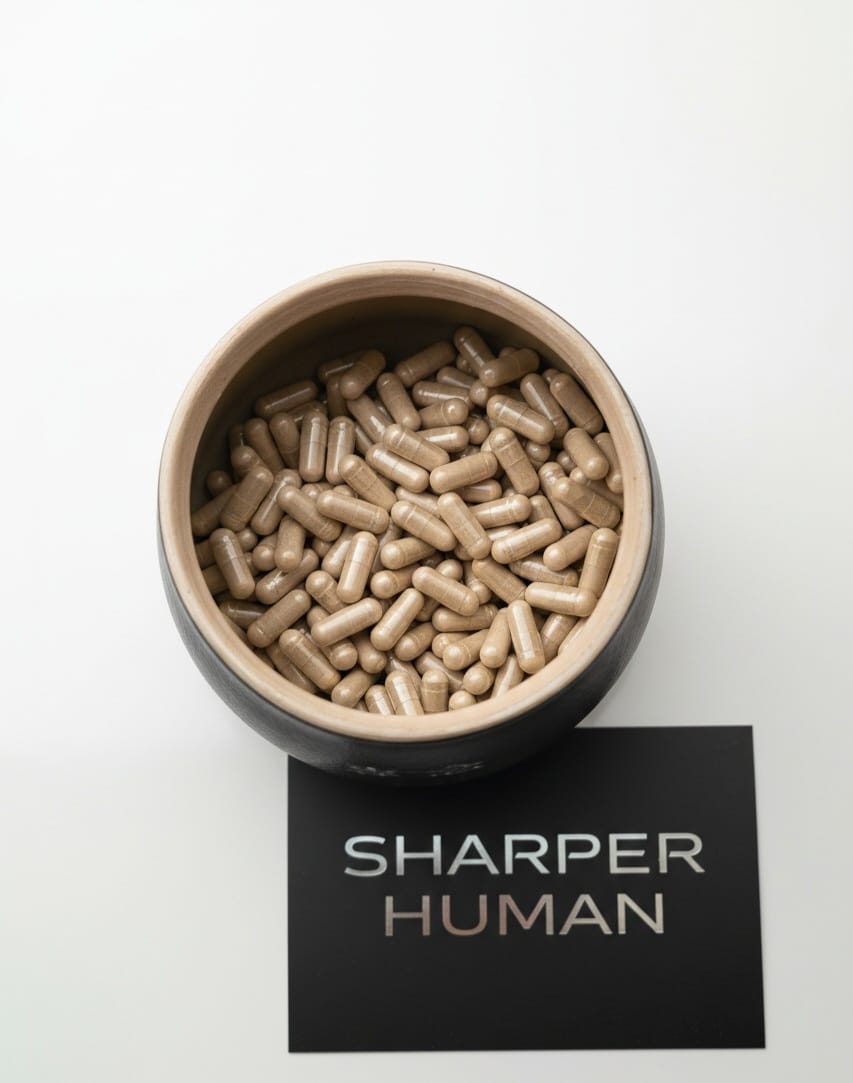
Buy on Amazon UKSharper Human does not include SAM-e, and the reasoning is purpose and safety. SAM-e is a mood- and clinically-oriented compound (for depression and joints), not a focus ingredient, and Sharper Human is a focus formula — a different goal calling for different ingredients. SAM-e's interaction cautions (with antidepressants) and its particular caution in bipolar disorder further make it unsuitable for a broadly-used daily focus product taken without medical supervision. The formula does, however, support the methylation framework in a safe, foundational way through its full B-complex — including folate (203mcg), B12, B6 and others that are cofactors in methylation — supporting healthy neurotransmitter production without the cautions that come with SAM-e itself. This safe, fit-for-purpose approach is the logic behind all 20 ingredients, detailed in the ingredients and dosages guide. SAM-e has genuine uses — but as a mood compound with real cautions, it belongs under medical guidance, not in a casual focus supplement.
The honest bottom line: SAM-e is a methylation compound with genuine evidence for mood and joints, but it is mood- and clinically-oriented rather than a focus ingredient, and it carries serotonergic interaction cautions and a particular bipolar caution — so Sharper Human leaves it out, while supporting methylation safely through its B-complex. Mood concerns warrant professional care. Sharper Human is available on Amazon in the UK, with US availability planned.
References & further reading
- Peer-reviewed research on sam mood methylation — PubMed, U.S. National Library of Medicine. View source ↗
- Suliman NA, Mat Taib CN, Mohd Moklas MA, et al. Establishing Natural Nootropics: Recent Molecular Enhancement Influenced by Natural Nootropic. Evidence-Based Complementary and Alternative Medicine. 2016. View source ↗