Vitamin D is unusual among the nutrients relevant to the brain: it is genuinely important, very commonly deficient — especially in northern climates like the UK — and yet the right dose depends entirely on the individual, which is why it is best guided by a blood test rather than a fixed amount in a formula. This is an honest look at vitamin D and the brain, why deficiency is so widespread, how to approach supplementing it sensibly, and why Sharper Human does not include it. This article is informational and not medical advice.
Key Takeaways
What Vitamin D Is
Vitamin D is often called the "sunshine vitamin" because the body synthesises it in the skin in response to sunlight, though it can also be obtained from a few foods (oily fish, egg yolks, fortified products) and from supplements. It functions more like a hormone than a typical vitamin, with receptors found in tissues throughout the body — including widely across the brain. This presence of vitamin D receptors in brain regions involved in mood and cognition is the basis for interest in its neurological role, and it is a genuine, physiologically grounded interest rather than a marketing invention.
The Brain and Mood Connection
The evidence linking vitamin D to the brain is strongest as an association with deficiency. Low vitamin D levels are consistently associated with low mood, and there is research interest in the relationship between deficiency and seasonal patterns of mood, as well as observational links between low levels and poorer cognitive performance in older adults. What is less clear is how much supplementing vitamin D improves mood or cognition in people who are not deficient — the benefit appears to lie mainly in correcting a shortfall rather than in taking extra beyond adequacy. This is an important distinction: vitamin D matters for the brain primarily by not being deficient, rather than as a dose-dependent enhancer.
Why Deficiency Is So Widespread
Vitamin D deficiency is genuinely common, which is what makes it worth taking seriously. Because production depends on skin exposure to sufficiently strong sunlight, people living at higher latitudes — the UK very much included — make little to no vitamin D from sunlight through the winter months. Spending most of the day indoors, covering the skin, using sunscreen, having darker skin (which reduces synthesis), and older age all further reduce levels. This is why many public-health bodies, including in the UK, advise considering a vitamin D supplement during autumn and winter. It is one of the few supplements with a broad, evidence-based public-health rationale behind it.
Why Testing Matters — and Why a Fixed Dose Doesn't Fit
The crucial practical point about vitamin D is that the appropriate dose is individual. Baseline levels vary enormously depending on geography, season, lifestyle and skin type, and the right supplemental amount depends on where a person is starting from — someone severely deficient may need a different approach from someone merely topping up in winter. This is why the sensible route is a simple blood test to establish your level, and then dosing to your own needs, ideally with guidance. It is also why vitamin D is a poor fit for inclusion in a multi-ingredient formula: a single fixed dose cannot match the wide range of individual needs, and could be too little for the deficient or unnecessary for the replete. Vitamin D is also fat-soluble, meaning excess accumulates rather than being excreted, so more is not automatically better and very high doses can cause harm — another reason it should be taken deliberately to a known need.
Vitamin D Works With Other Nutrients
One further reason to approach vitamin D thoughtfully rather than reflexively megadosing is that it does not act in isolation. Vitamin D works alongside other nutrients — magnesium is required for its activation and metabolism, so a magnesium shortfall can blunt the benefit of supplementing D, and vitamin K2 is often discussed alongside D for its role in directing calcium appropriately. This interconnectedness is part of why a sensible, tested approach beats blindly taking very high doses: the goal is healthy sufficiency within a balanced nutritional picture, not maximal intake of a single fat-soluble vitamin. It also reinforces why a fixed dose buried in a focus formula is the wrong vehicle for vitamin D — getting it right is an individual, whole-picture matter best handled with a test and, where needed, professional guidance, rather than a one-size amount applied to everyone regardless of their starting level or wider nutrition.
Why Sharper Human Leaves It Out
Focus for Founders.
An all-natural brain performance supplement. 20 research-backed ingredients. No caffeine. No stimulants.
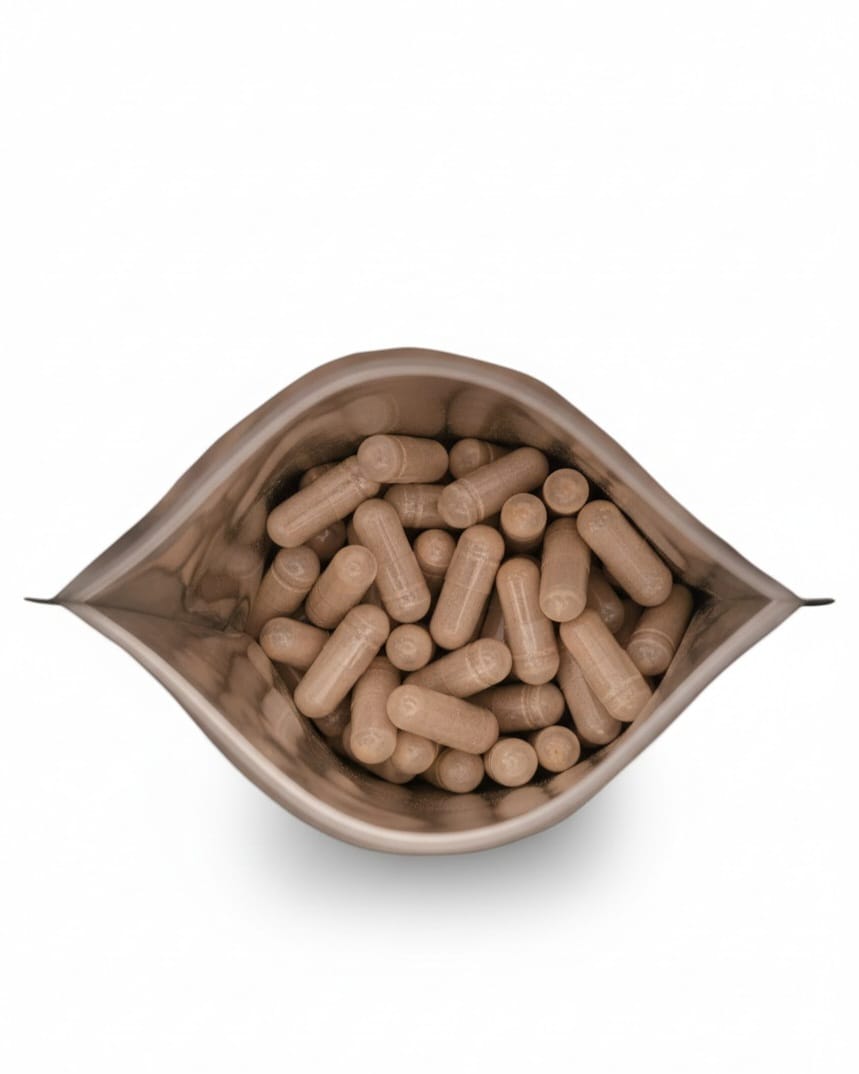
Buy on Amazon UKSharper Human does not include vitamin D, and the reasoning is about individualisation rather than importance. Because the right vitamin D dose depends on a person's blood level — which varies widely — a one-size amount in a focus formula cannot serve everyone well, and as a fat-soluble vitamin it should be taken to a known need rather than blindly. So Sharper Human leaves vitamin D to be tested and dosed individually, and concentrates its formula on the cognitive ingredients that work well at standard doses for a broad audience, such as Lion's Mane (1000mg), Citicoline (300mg) and a full B-complex (the water-soluble vitamins, where a standard dose is appropriate). The practical pairing is straightforward: get your vitamin D level checked and supplement it to your needs, especially over a UK winter, and use a focus stack like Sharper Human for daytime cognitive support.
The honest bottom line: vitamin D is genuinely important for overall and brain health, and deficiency is common enough — particularly in the UK — that many people should consider supplementing it, ideally guided by a test. But because the right dose is individual, it belongs as a separate, tested supplement rather than a fixed amount in a focus formula, which is why Sharper Human leaves it out. Sharper Human is available on Amazon in the UK for around £79 per month, with US availability planned.
References & further reading
- Nakazaki E, Mah E, Sanoshy K, et al. Citicoline and Memory Function in Healthy Older Adults: A Randomized, Double-Blind, Placebo-Controlled Clinical Trial. The Journal of Nutrition. 2021. doi:10.1093/jn/nxab119. View source ↗
- Docherty S, Doughty FL, Smith EF. The Acute and Chronic Effects of Lion’s Mane Mushroom Supplementation on Cognitive Function, Stress and Mood in Young Adults. Nutrients. 2023;15. View source ↗
- National Institutes of Health, Office of Dietary Supplements. Vitami\1 \2 — Fact Sheet for Health Professionals. View source ↗
- Peer-reviewed research on vitamin cognition — PubMed, U.S. National Library of Medicine. View source ↗