Of all the things that affect focus and mental clarity, one of the most powerful is also the most overlooked and the cheapest: hydration. Even mild dehydration measurably impairs concentration, mood and mental performance — yet it is routinely ignored in favour of more exciting interventions. Before any supplement, getting hydration right is foundational. This is an honest, practical guide to hydration and the brain: why it matters so much, how much water you really need, simple habits to stay hydrated, and why this fundamental comes first. This article is informational and not medical advice.
Key Takeaways
Why the Brain Is So Sensitive to Hydration
The brain is highly sensitive to hydration status, which is why dehydration affects it so readily. The brain is largely water, and proper hydration is essential for the basic functions that underpin cognition — maintaining blood volume and flow (delivering oxygen and nutrients to the brain), supporting the electrical and chemical signalling of neurons, and regulating temperature and the brain's environment. When the body becomes even mildly dehydrated, these functions are subtly compromised, and the brain — being metabolically demanding and dependent on steady delivery of oxygen and nutrients — feels the effect quickly. This sensitivity means hydration is not a minor background factor but a genuine determinant of how well the brain functions moment to moment. Understanding this explains why something as simple as drinking enough water has such a real, if underappreciated, impact on focus and mental clarity, and why neglecting it undermines everything else.
What Even Mild Dehydration Does
The research on mild dehydration and cognition is genuinely striking: studies have found that even mild dehydration — losing just a small percentage of body water, the kind that happens routinely through a busy day without enough fluid — can measurably impair concentration, alertness, short-term memory, reaction time and mood, and can increase the perception of fatigue and the frequency of headaches. Crucially, this happens at levels of dehydration well before intense thirst, meaning people are often mildly dehydrated and cognitively affected without realising it. The mood effects are notable too — dehydration is associated with increased irritability and reduced sense of wellbeing. So the everyday experience of an afternoon slump, difficulty concentrating, or a low-grade headache can genuinely be a hydration issue, easily mistaken for needing more coffee when water is what is required. This makes hydration one of the most impactful and easily-fixed factors for focus, as the guide to clearing brain fog notes.
How Much Water You Really Need
On how much to drink, the honest answer is that individual needs vary considerably — by body size, climate, activity level, and diet (some fluid comes from food) — so rigid universal rules like a fixed number of litres are less useful than they appear. The practical approach is to drink regularly through the day rather than relying on thirst (which lags behind actual need), and to use simple indicators: pale-coloured urine generally suggests good hydration, while dark urine and thirst suggest you need more. Aiming to drink consistently — a glass on waking, with meals, and regularly through the day, with more around exercise and in hot weather — is more practical than obsessing over an exact quantity. The goal is steady, sufficient hydration tuned to your circumstances, avoiding the mild dehydration that creeps up unnoticed. Other fluids count too, though water is the simplest, and very sugary or heavily caffeinated drinks are poorer choices for the purpose.
Practical Hydration Habits
Building simple habits makes consistent hydration easy. Start the day with a glass of water (the body is often mildly dehydrated after sleep). Keep water visible and accessible — a bottle on your desk serves as both a reminder and convenience, and sipping regularly is easier than remembering to drink large amounts occasionally. Drink with meals. Increase intake around exercise and in hot weather. If you find plain water unappealing, adding fruit or having herbal teas can help (these count toward fluid). For those who simply forget, periodic reminders or a marked bottle can prompt regular drinking. These small, practical habits address the core problem — that mild dehydration accumulates unnoticed through a busy day — far more effectively than any supplement, and they cost nothing. Pairing good hydration with the other fundamentals of brain health, as the guide to keeping your brain sharp covers, builds the foundation on which everything else rests.
Hydration Before Supplements
The most important point is one of priority: hydration is a foundational requirement that comes before any supplement. No cognitive supplement can compensate for the impaired focus, mood and mental performance caused by dehydration — taking a focus formula while mildly dehydrated is like trying to optimise a system whose basic input is lacking. This reflects a recurring theme in honest discussion of cognitive enhancement: the foundations (sleep, hydration, exercise, nutrition) do the heavy lifting, and supplements are a supporting layer on top of those foundations, not a substitute for them. Someone who is well-hydrated, well-rested and well-nourished, and then adds a sensible supplement, is in a far better position than someone neglecting the basics and relying on capsules. Getting hydration right is one of the simplest, cheapest and most impactful things you can do for your focus — and it should be in place before, and alongside, any supplementation.
Where Sharper Human Fits
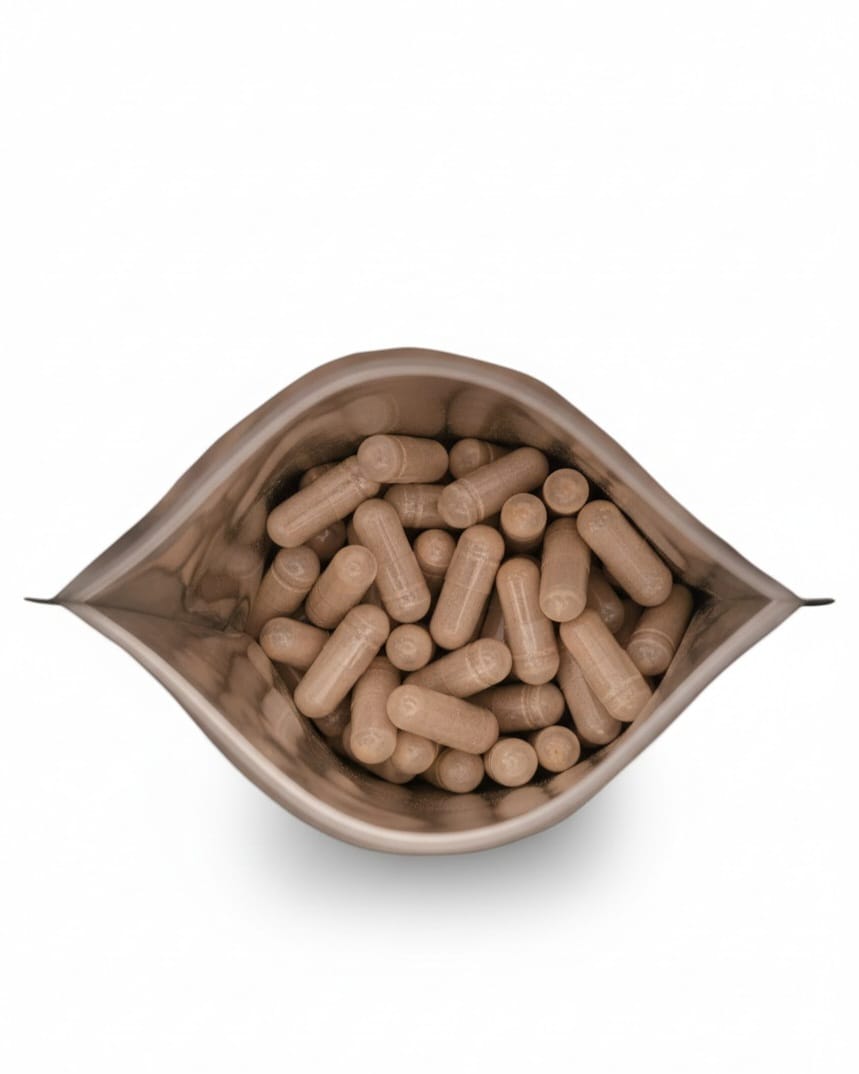
Focus for Founders.
An all-natural brain performance supplement. 20 research-backed ingredients. No caffeine. No stimulants.
Buy on Amazon UKSharper Human, like any cognitive supplement, is designed to support focus as a complement to the fundamentals — never as a replacement for them. Its well-evidenced ingredients (Citicoline, Bacopa, L-Tyrosine, Lion's Mane and more) support cognition, but they do so best for someone who has the basics in place: well-hydrated, well-rested, eating reasonably and exercising. The honest framing, which Sharper Human's whole approach reflects, is that supplements are a supporting layer on a foundation of good habits — and hydration is one of the simplest and most impactful of those habits. Someone taking Sharper Human will get the most from it by also drinking enough water through the day, alongside good sleep and nutrition. This "fundamentals first, sensible supplementation on top" philosophy is detailed across the guides, including the best foods for brain health. Hydration costs nothing and underpins everything.
The honest bottom line: hydration is one of the most powerful and overlooked factors for focus — even mild dehydration impairs concentration, memory and mood — so drinking enough water through the day is a foundational habit that comes before any supplement. Sharper Human supports cognition as a complement to hydration and the other fundamentals, and is available on Amazon in the UK, with US availability planned.
References & further reading
- Nakazaki E, Mah E, Sanoshy K, et al. Citicoline and Memory Function in Healthy Older Adults: A Randomized, Double-Blind, Placebo-Controlled Clinical Trial. The Journal of Nutrition. 2021. doi:10.1093/jn/nxab119. View source ↗
- Kongkeaw C, Dilokthornsakul P, Thanarangsarit P, et al. Meta-analysis of randomized controlled trials on cognitive effects of Bacopa monnieri extract. Journal of Ethnopharmacology. 2014;151(1):528–535. View source ↗
- Docherty S, Doughty FL, Smith EF. The Acute and Chronic Effects of Lion’s Mane Mushroom Supplementation on Cognitive Function, Stress and Mood in Young Adults. Nutrients. 2023;15. View source ↗
- Peer-reviewed research on water hydration brain — PubMed, U.S. National Library of Medicine. View source ↗